
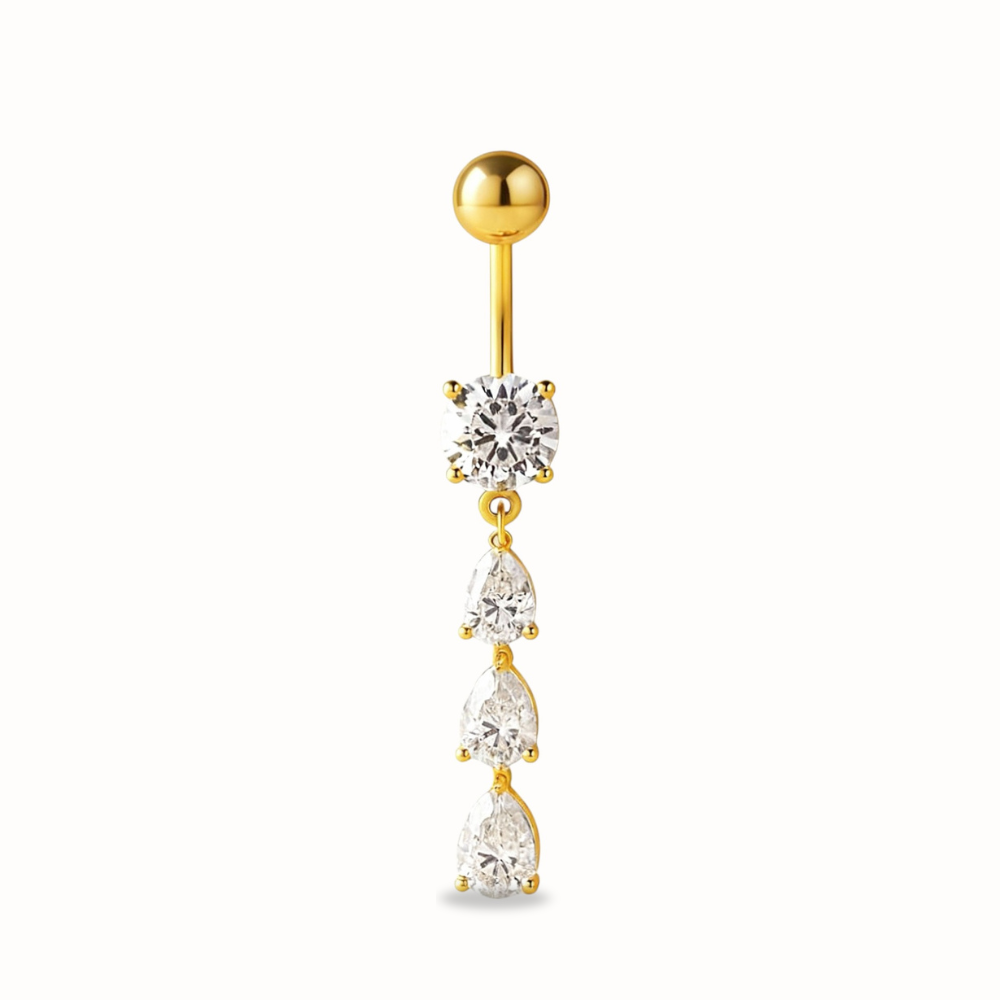
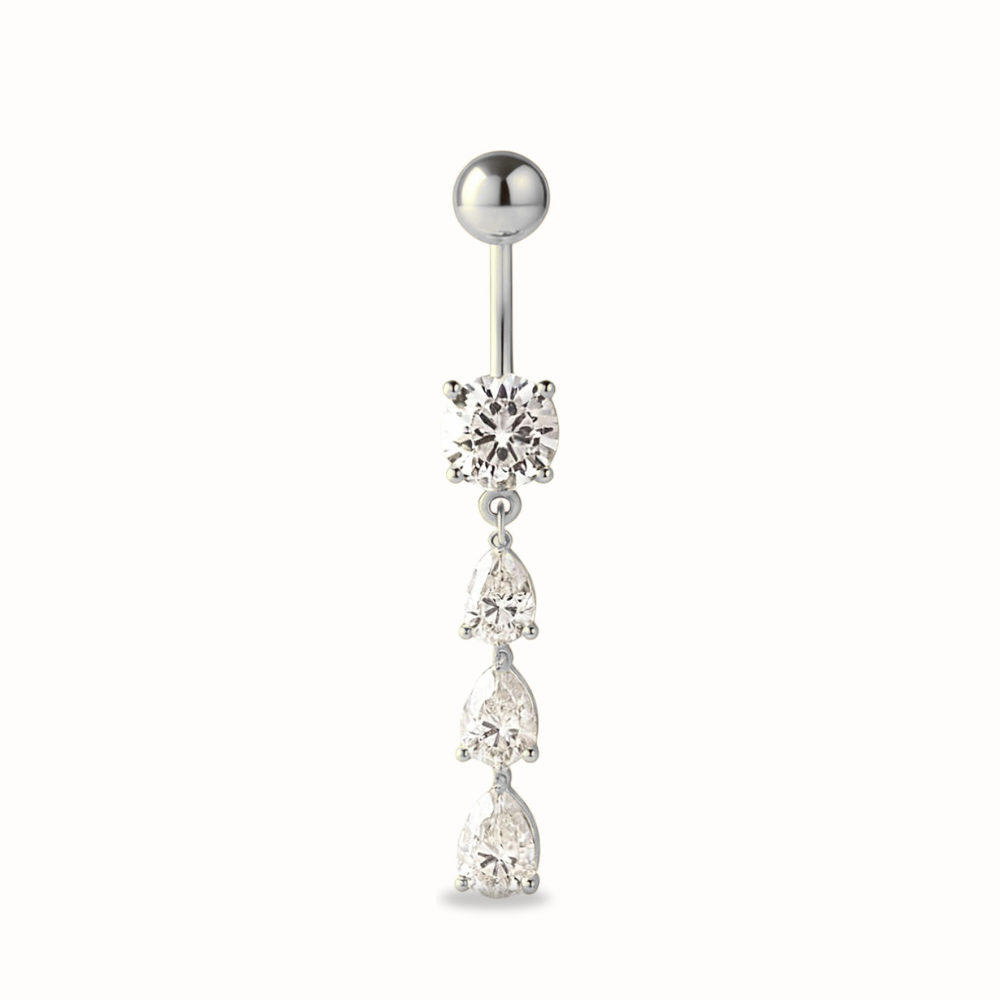
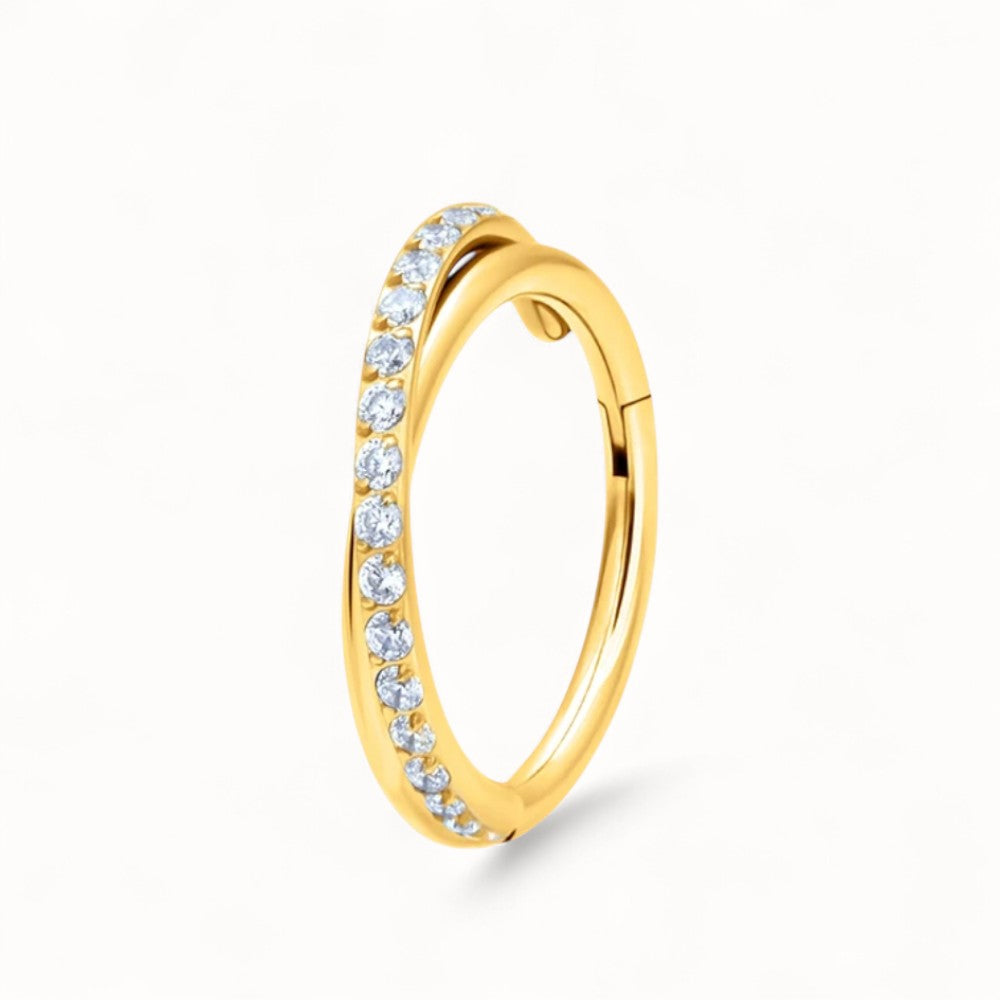
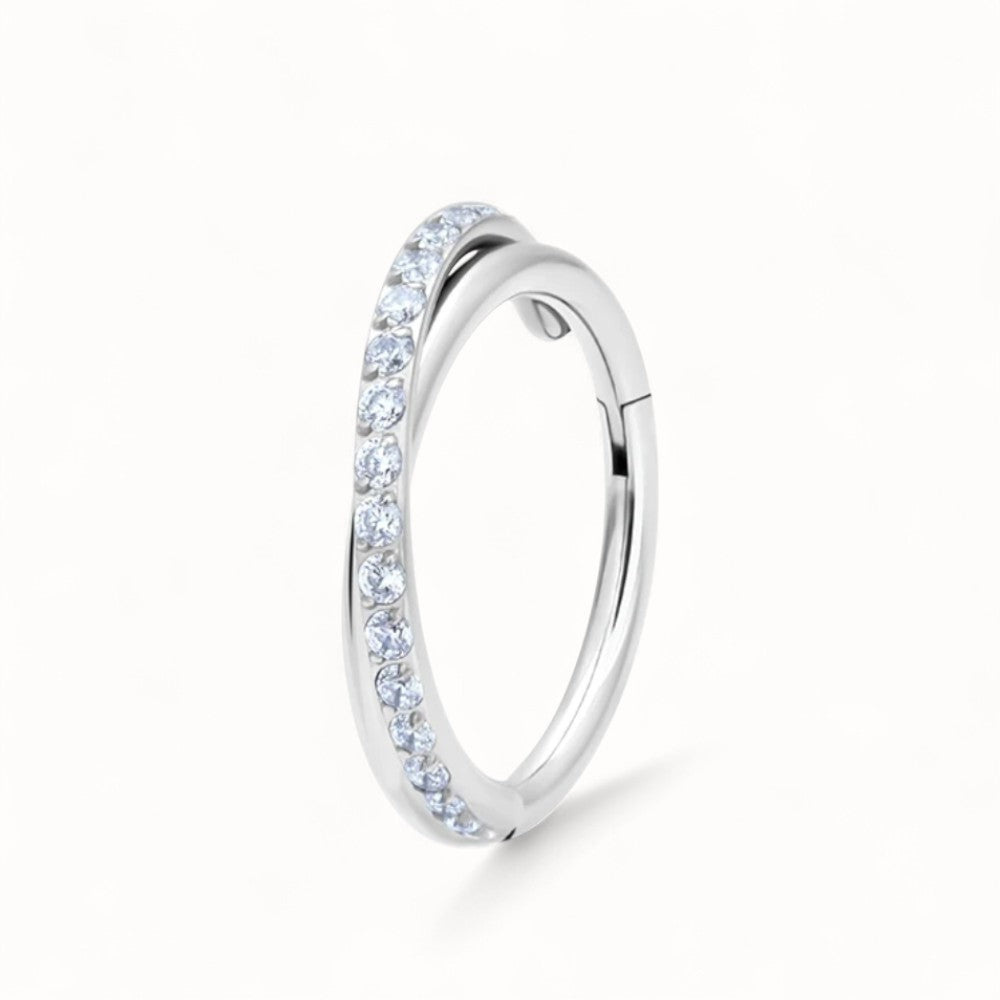
Piercing: which metal should you choose to avoid allergies?
Introduction
Choosing the right metal is crucial when getting a piercing. Poor-quality jewelry can cause redness, itching, swelling, and even rejection. To avoid allergies and ensure proper healing, it's important to choose a safe and hypoallergenic material. This guide will help you discover the best metals for a safe piercingand those you should avoid.
Why do some people develop allergies?
The majority of allergic reactions to jewelry are caused by nickel, a metal found in many cheap alloys.
➡️ A nickel allergy often results in itching, redness, scabs and irritation around the piercing.
The best metals for an allergy-free piercing
Titanium (recommended)
-
100% hypoallergenic.
-
Lightweight and very durable.
-
Ideal for first piercings or sensitive skin.
18-karat gold
-
Choose gold of at least 18 carats (yellow or white).
-
Make sure it is nickel-free.
-
Stylish and durable, perfect after healing.
High-quality surgical steel
-
Used in medical settings.
-
Must be certified implant grade(316LVM or ASTM F-138).
-
Tolerated by most skin types.
Niobium
-
Less well-known, but completely hypoallergenic.
-
An interesting alternative to titanium.
Metals to absolutely avoid
❌ Gold plated or fancy (often loaded with nickel).
❌ Low-grade alloys (risk of irritation).
❌ Pure silver on a healing piercing (oxidizes and can cause irritation).
Which metal should be chosen depending on the stage of the piercing?
-
Healing phase: titanium or high-quality surgical steel.
-
After healing: either 18K, titanium or niobium for a more premium style.
FAQ – Metal Piercings and Allergies
Is it okay to wear money on a piercing?
Yes, but only after complete healing, because silver oxidizes.
Is the dish suitable?
No, it often contains nickel and can cause allergies.
Which metal is the safest?
Titanium remains the number onechoice, even for very sensitive skin.
Conclusion
The metal chosen for a piercing directly influences healing and comfort. To avoid allergies, opt for titanium, 18K nickel-free gold, or surgical implant-grade steel.