

Ear piercing: pain depending on location (complete comparison)
Do you dream of a new "ear party" but the fear of needles is holding you back? This is the number 1 question everyone asks themselves before walking into a shop: "Is it going to hurt?"
While pain is subjective, ear shape and cartilage thickness play a major role. To help you take the plunge with peace of mind, we've compiled this comprehensive comparison of ear piercing pain levels , from a simple lobe piercing to the dreaded industrial piercing.
Understanding pain: Flesh vs. Cartilage
Before moving on to the ranking, a brief anatomical reminder is necessary. The pain felt depends on two factors:
-
Density of the area: The lobe is soft (skin and fat), while the rest of the ear is composed of cartilage, which is harder and less vascularized.
-
Innervation: Some areas are richer in nerve endings than others.
Pain rating scale (1 to 10)
Here is a summary table to quickly visualize the intensity of the sensation depending on the location:
| Location | Pain level | Healing time |
| Lobe | 1/10 | 6 to 8 weeks |
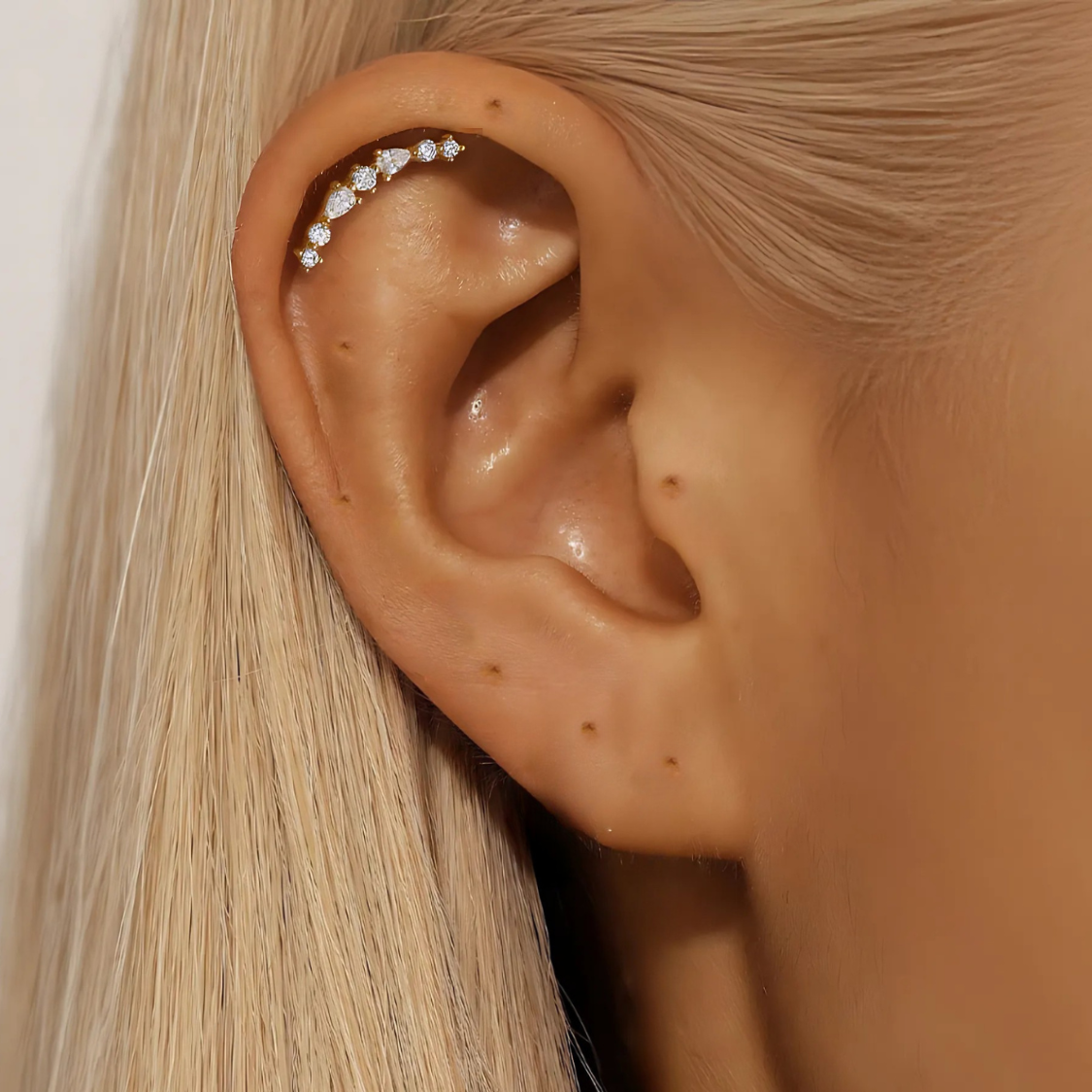
| Helix | 3/10 | 6 to 12 weeks |
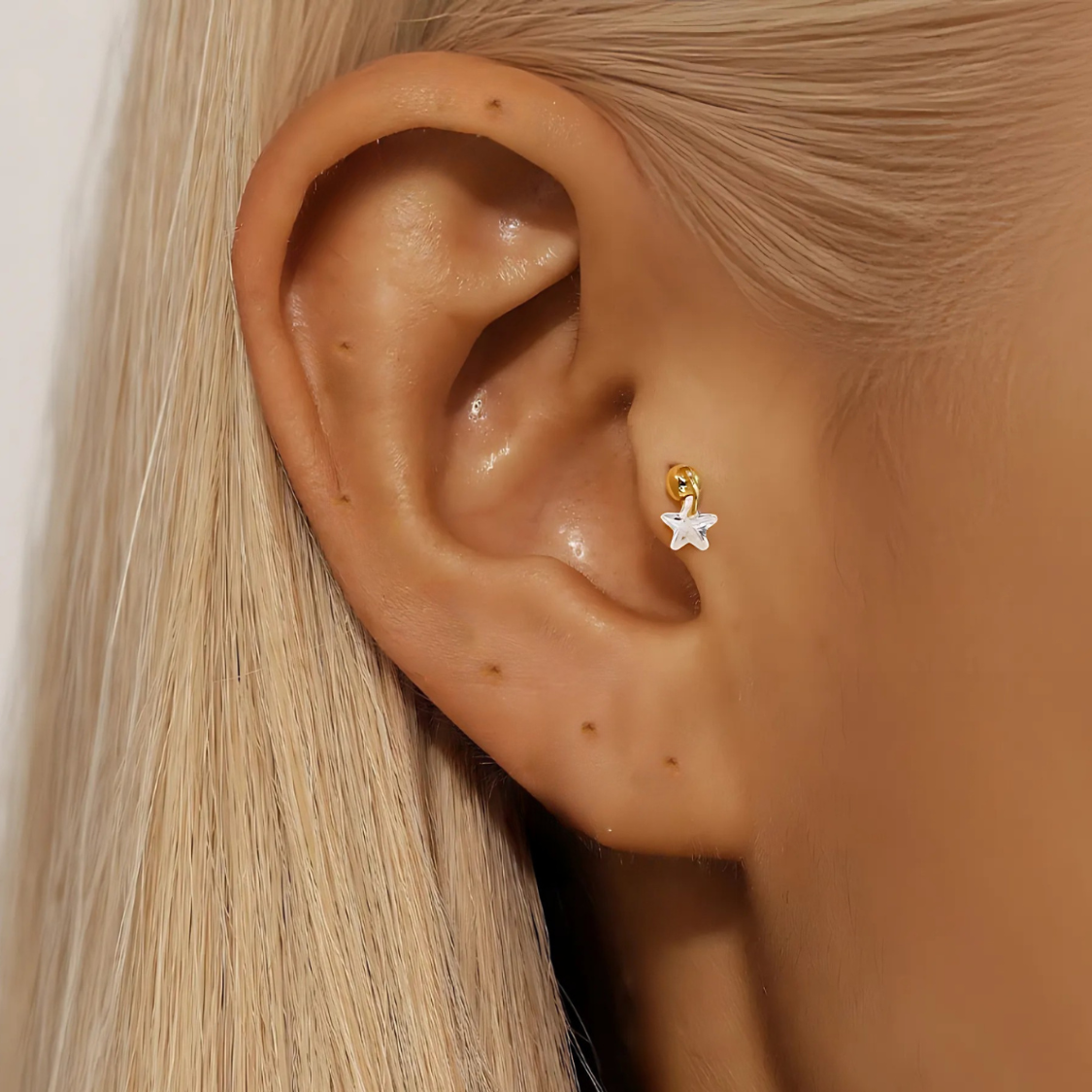
| Tragus | 4/10 | 6 to 12 weeks |
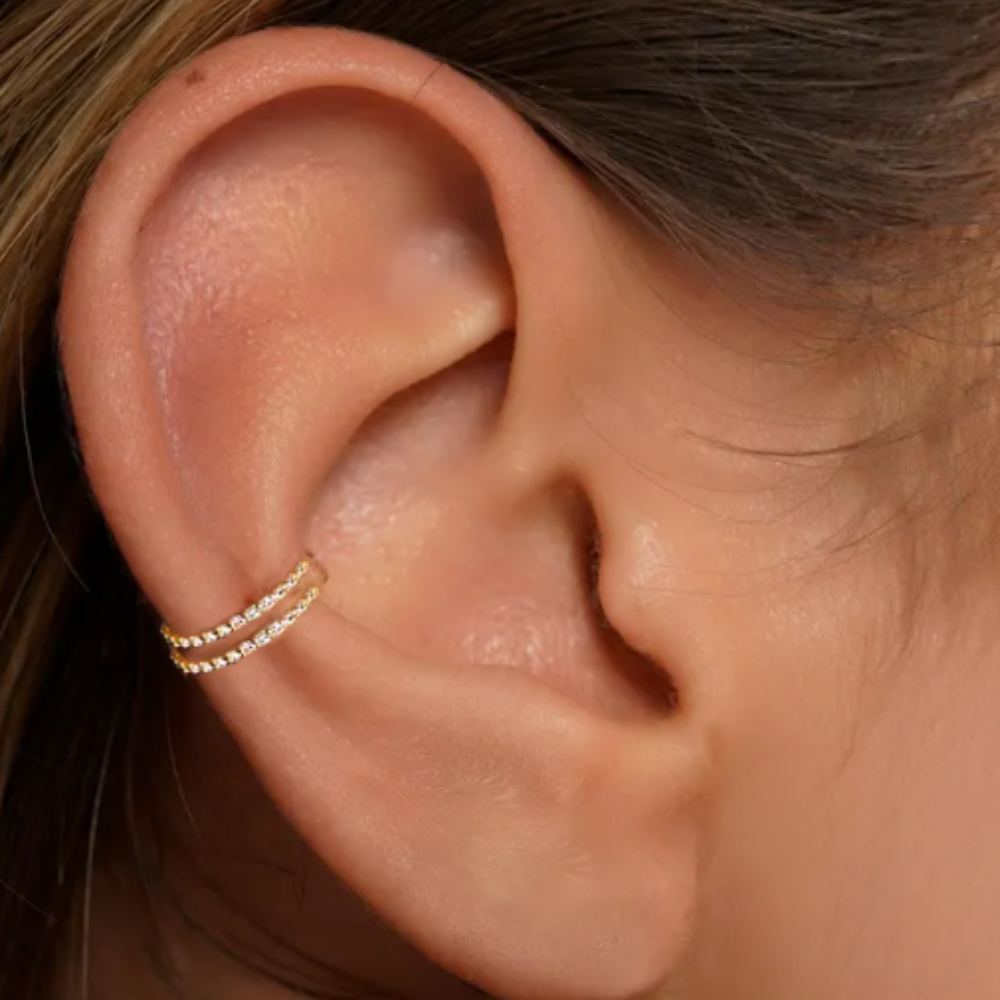
| Conch | 5/10 | 6 to 12 weeks |
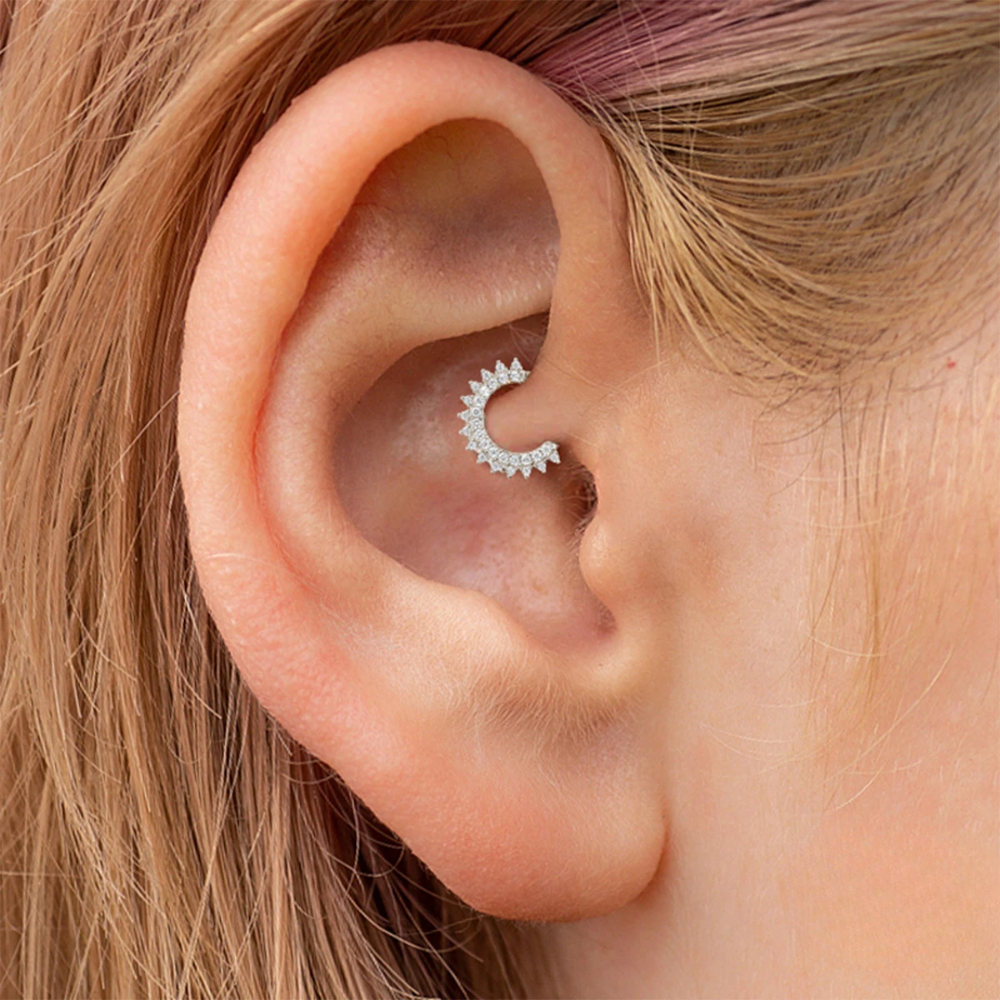
| Daith | 6/10 | 6 to 12 weeks |
| Rook / Snug | 7/10 | 9 to 12 weeks |
| Industrial | 8/10 | 9 to 12 weeks |
Focus on the most popular locations
1. The Lobe: The classic (1/10)
This is a necessary step. The sensation is similar to a quick pinch. Since there is no cartilage, healing is very fast and the pain subsides within minutes.
2. The Helix: The first step towards cartilage (3/10)
Located on the upper edge of the ear, the helix piercing is very popular. The pain is sharp at first but very brief. Be careful, however, of snagging it on your hair or face masks!
3. The Tragus and Conch: A sensation of pressure (4-5/10)
Here, the cartilage is thicker. You won't necessarily feel a sharp "pain," but rather a dull pressure and sometimes an impressive but harmless cracking sound.
4. The Daith and the Rook: For the bravest (6-7/10)
These piercings go through very dense folds of cartilage. The procedure is a bit longer, which makes the experience more intense. The Daith piercing is also often cited for its supposed benefits against migraines.
5. The Industrialist: The champion of pain (8/10)
Why? Because it's two piercings in one . The piercer has to align two holes in the upper cartilage. This double stimulation of the area makes it the most "stinging" piercing on the list.
3 tips to limit pain on the big day
Expert tip: The pain only lasts a few seconds. It's often the apprehension that's the hardest to manage!
-
Eat well and stay hydrated: Avoid coming on an empty stomach to prevent drops in blood pressure.
-
Control your breathing: Inhale deeply and exhale as the needle passes through. It's magical for stress management.
-
Choosing a professional: An experienced piercer uses high-precision needles (never a gun!) which guarantee a clean and less painful procedure.
Conclusion
So, what will your next piece of jewelry be? Whether you choose the softness of a lobe piercing or the boldness of an industrial piercing, remember that aftercare is crucial . A piercing that doesn't hurt on the day can become painful if it's not properly cared for!