

Piercings and allergies: how to avoid skin reactions
You've just gotten a new piercing, but after a few days the area becomes red, itchy, and seems like it will never calm down? Before blaming hygiene, you might want to look into an allergic reaction .
Metal allergies are one of the most common causes of failed healing. Yet, they are almost entirely avoidable with the right choice of materials. Here's how to identify, treat, and, most importantly, prevent piercing-related allergies.
1. Identifying allergies: the telltale signs
It is sometimes difficult to distinguish between normal healing, an infection, and an allergy. An allergy (often contact dermatitis) generally manifests as:
-
Persistent itching: Unlike an infection which "throbbes" or "pulses", an allergy makes you want to scratch.
-
Localized redness: The skin becomes bright red or pink exactly where the metal touches the skin.
-
Desquamation: The skin becomes dry, peels or forms small dry scabs around the hole.
-
The absence of intense heat: Unlike infection, the area is not necessarily burning hot to the touch and there is no fever.
2. The perfect culprit: Nickel
Nickel is the most allergenic metal in the world. It's found everywhere: in costume jewelry, zippers, and even in some low-quality gold alloys.
Did you know? Approximately 10 to 15% of the world's population suffers from nickel sensitivity. Once this allergy is triggered, it is usually permanent. Using nickel-containing jewelry on an open wound (a fresh piercing) is the surest way to develop this allergy.
3. How to prevent skin reactions?
Prevention is the only effective strategy. Here are the three pillars for an allergy-free piercing:
A. Demand biocompatible materials
Don't rely on the term "hypoallergenic," which is not a medical standard. Opt for:
-
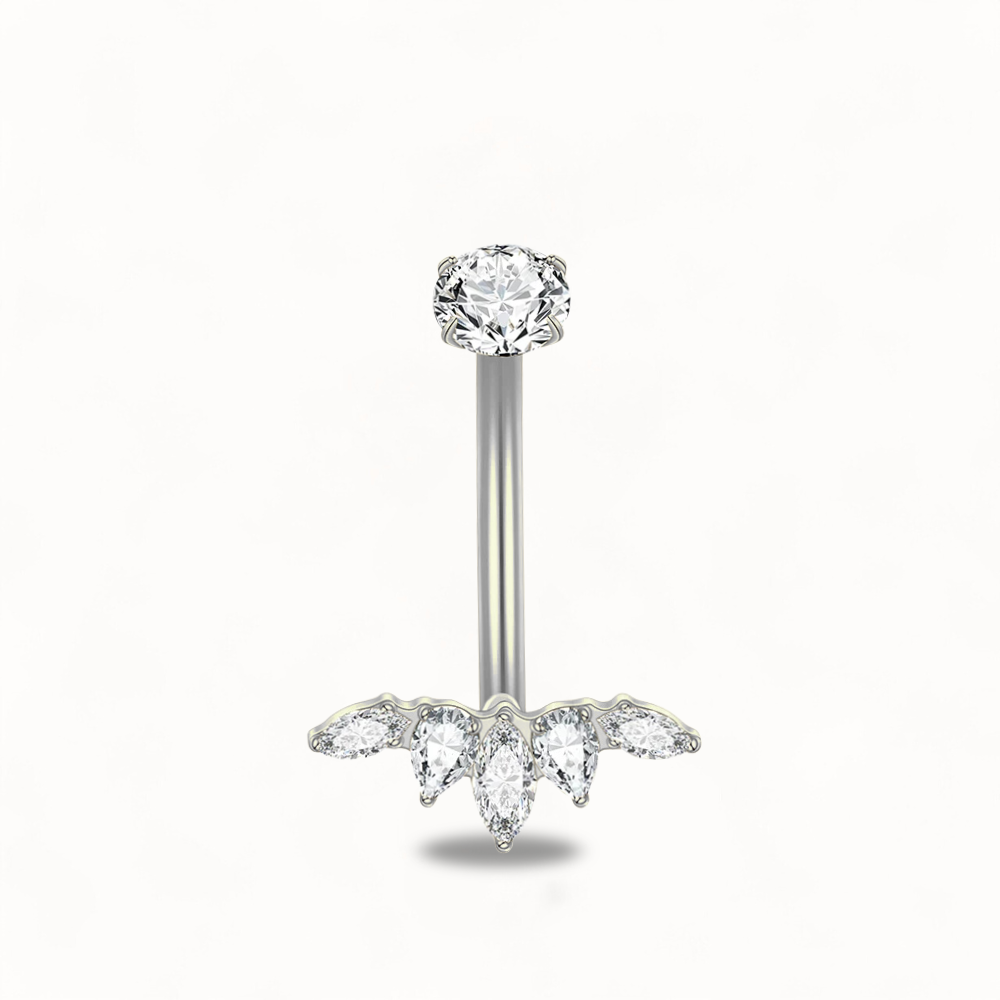
ASTM F-136 Titanium: With no nickel, it is the absolute reference for initial installation.
-
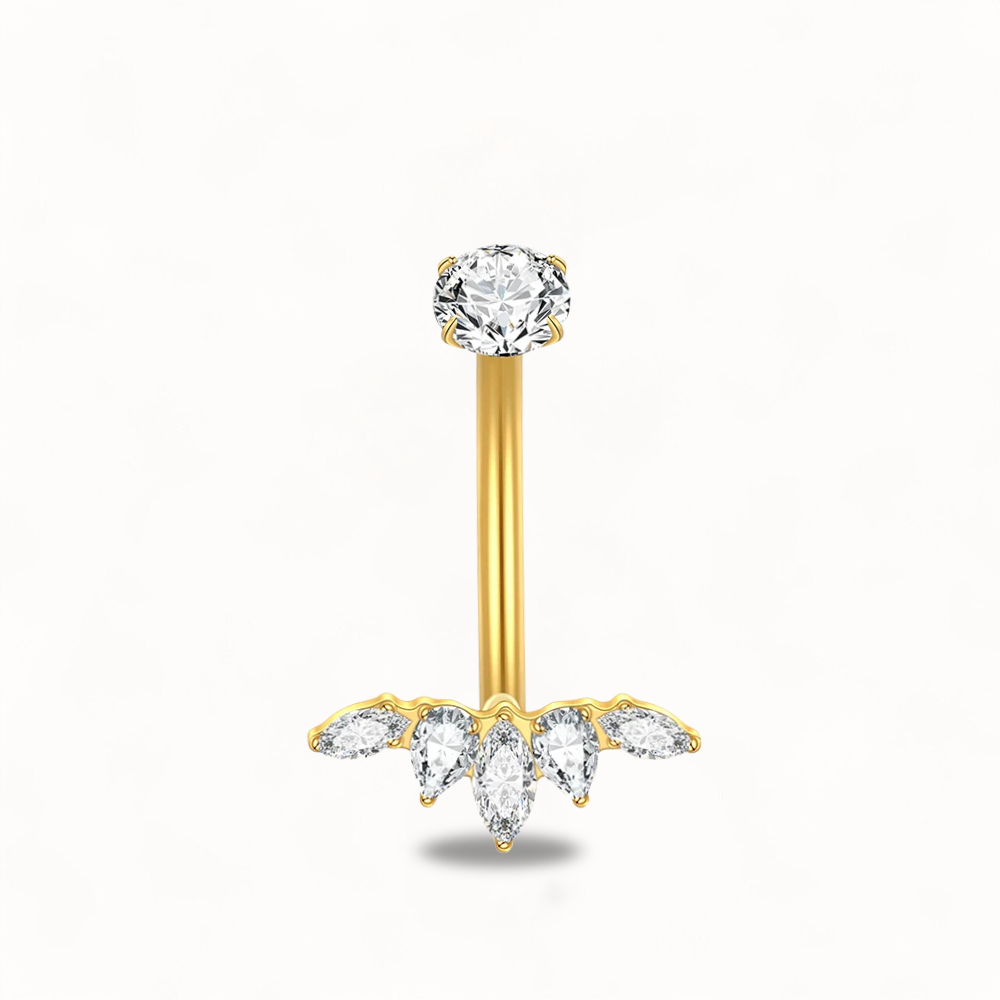
14k or 18k Gold: Make sure it is "Nickel-Free". White gold, for example, can sometimes contain nickel to whiten the metal; opt for implant-grade yellow or rose gold.
-
Niobium: A pure metal, ideal for people who have already reacted to everything else.
B. Avoid costume jewelry and silver
Sterling silver (925) oxidizes and often contains copper. As for the €2 jewelry found in fashion boutiques, it is often made of mysterious metals coated with a varnish that quickly chips, exposing your skin to irritating substances.
C. Check the polishing
Poorly polished jewelry has micro-roughness that traps debris and irritates the skin, sometimes mimicking an allergic reaction. Quality jewelry should have a mirror polish .
4. What if the reaction is already there?
If you suspect an allergy to your current piece of jewelry:
-
Do not remove the jewelry yourself: The hole could close up, trapping the irritation.
-
Consult your piercer: Ask them to replace your jewelry with an implant-grade titanium model. Often, simply changing the material stops the reaction in less than 48 hours.
-
Soothe the area: Use lukewarm saline solution to gently cleanse the area. Absolutely avoid alcohol, which will worsen the dryness caused by the allergy.
Table: Allergic risks by material
Conclusion
An allergy isn't inevitable; it's often a sign of unsuitable jewelry. By investing in certified, high-quality metals from the start, you give your body the best chance for a smooth and aesthetically pleasing healing process.