


Helix Piercing: Pain, Healing, and Essential Advice
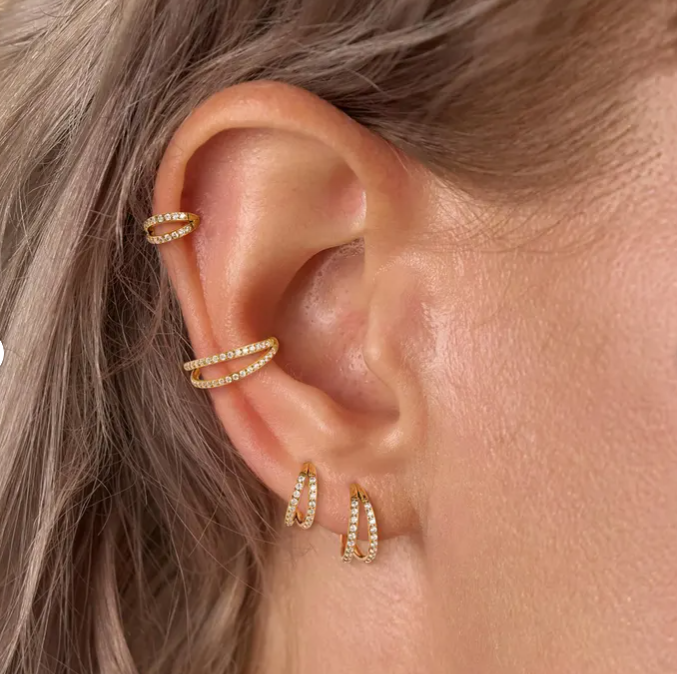
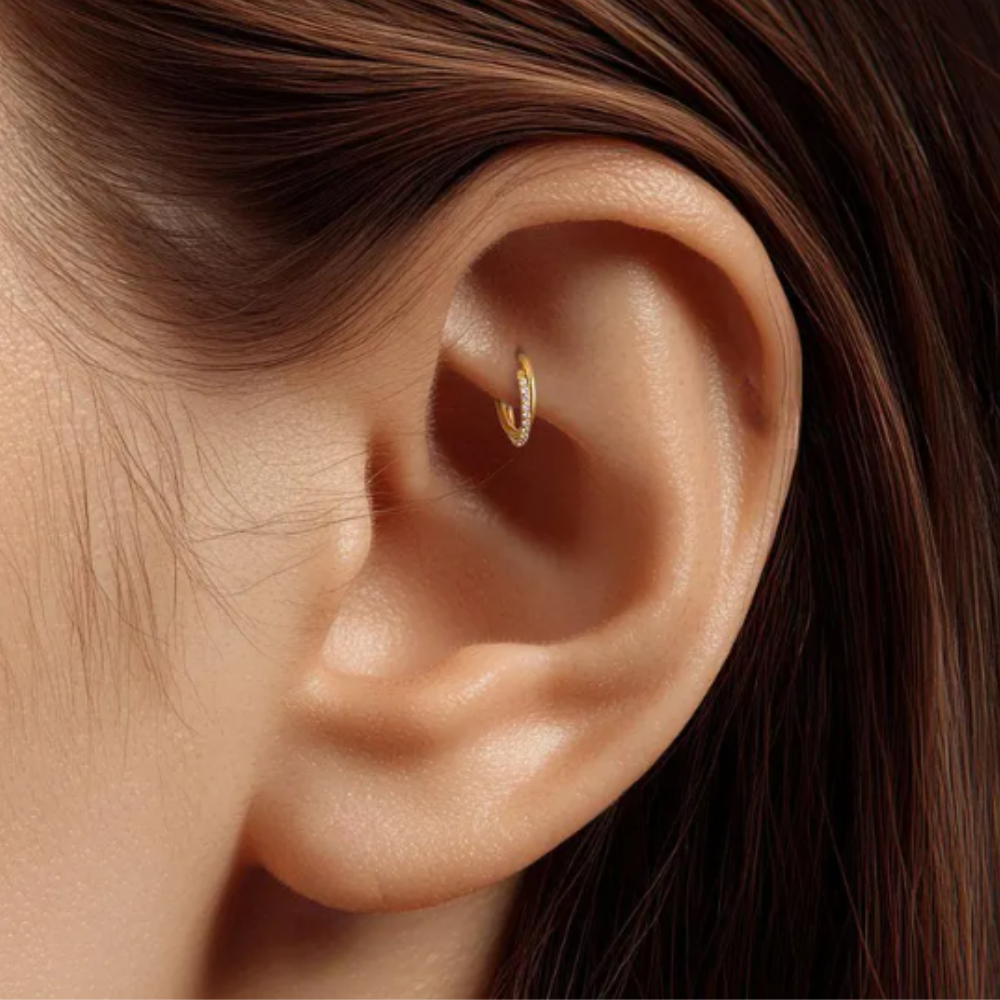
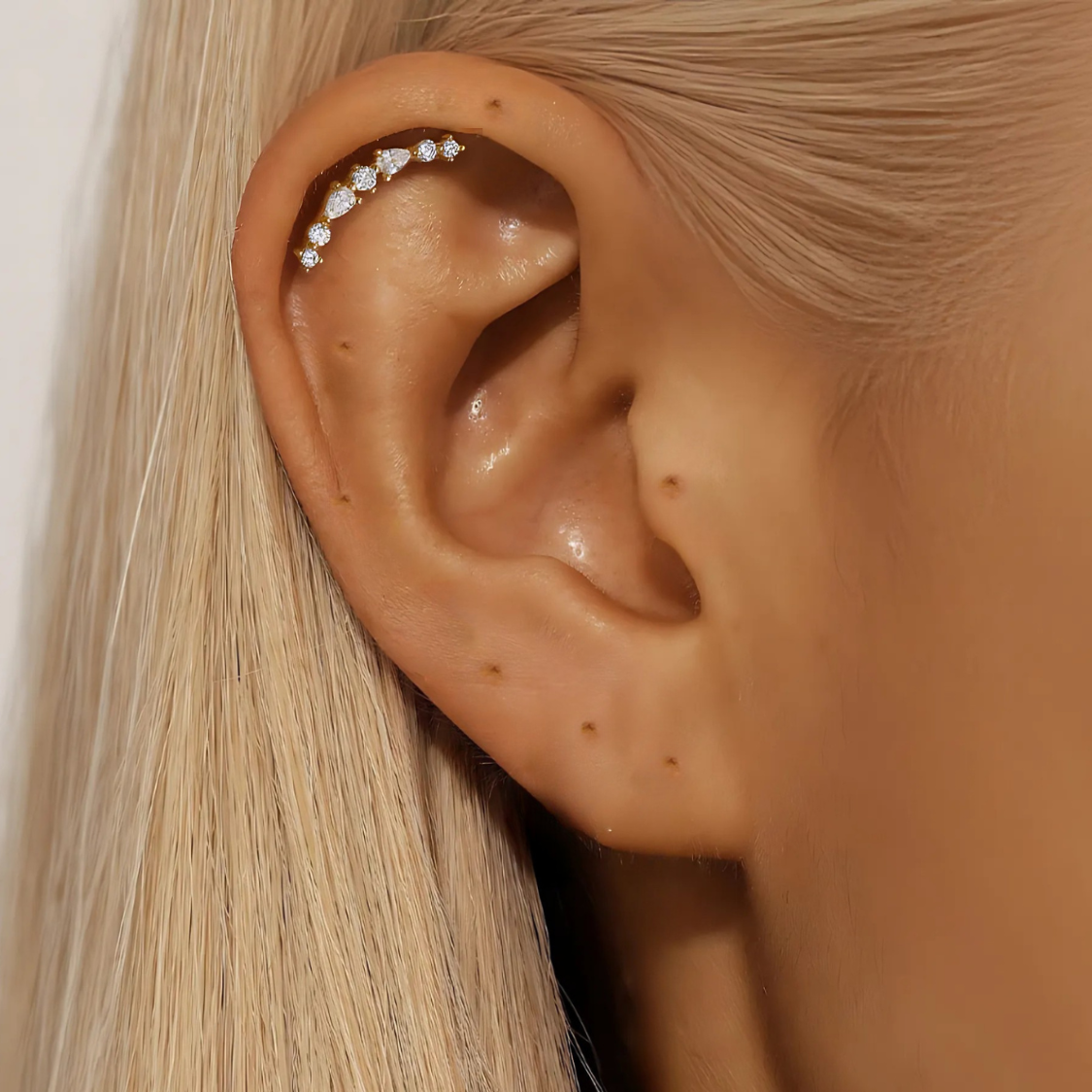
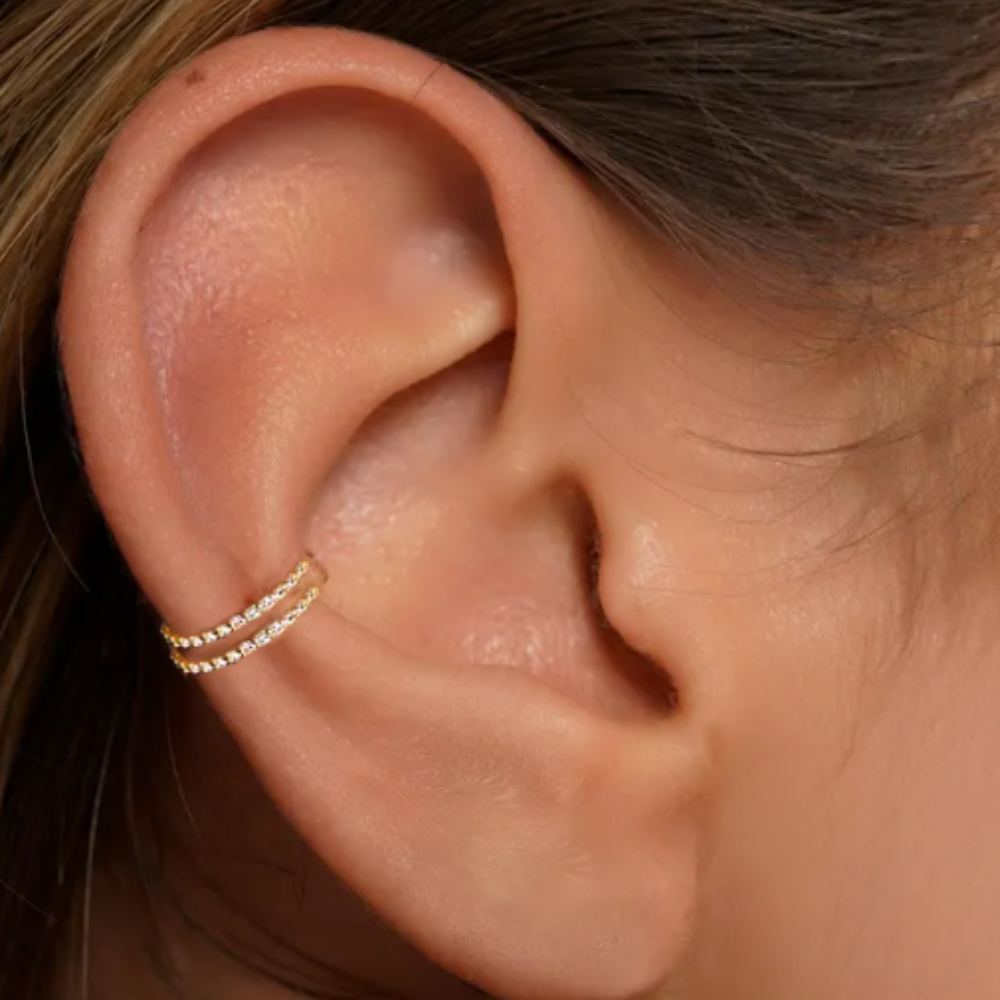
Located on the upper part of the ear cartilage, the helix piercing has become a must-have. Both discreet and bold, it allows for a multitude of jewelry combinations (rings, studs, chains).
However, like any cartilage piercing, it requires patience and careful attention. Still hesitating? Here's everything you need to know before getting pierced.
1. Pain: What should you expect?
That's the crucial question. On a scale of 1 to 10, helix piercings are generally rated around 3/10 .
Unlike the earlobe, the piercer here goes through cartilage, which is a bit firmer. The sensation is like a sharp, brief pinch , followed by a feeling of warmth on the ear for a few hours.
Did you know? Pain also depends on the method. A needle piercing (in a professional salon) is much less painful and much cleaner than a piercing gun (which should be avoided!).
2. Healing: The key word is "Patience"
Cartilage is a poorly vascularized area (blood circulates less well there than in flesh), which slows down tissue regeneration.
-
Initial healing time: 3 to 6 months.
-
Complete healing: 6 to 12 months.
It's common for the helix piercing to appear healed after two months, but don't be fooled: the inner canal is still very fragile. Changing the jewelry too soon is the main cause of the healing bumps (the small red lumps).
3. Essential care for a healthy helix
To avoid infection and ensure proper healing, follow this simple routine:
-
Cleaning (twice a day): Use a sterile compress soaked in saline solution . Gently dab around the jewelry to remove secretions (lymph).
-
Drying: Moisture is the enemy of cartilage. Dry gently with a clean compress or a hairdryer (cool setting).
-
Do not touch: Your hands carry bacteria. Do not rotate the jewelry, as this will tear the developing tissue.
4. The 3 mistakes to absolutely avoid
-
Sleeping on your piercing: Prolonged pressure can shift the angle of the hole and cause swelling. Use a travel pillow (U-shaped) to position your ear in the center hole.
-
Miracle products: Avoid alcohol, Betadine, or hydrogen peroxide. They are too harsh and kill the cells that help with healing.
-
Snags: Be careful with turtleneck sweaters, scarves and, above all, surgical masks! Opt for masks that tie behind the head.
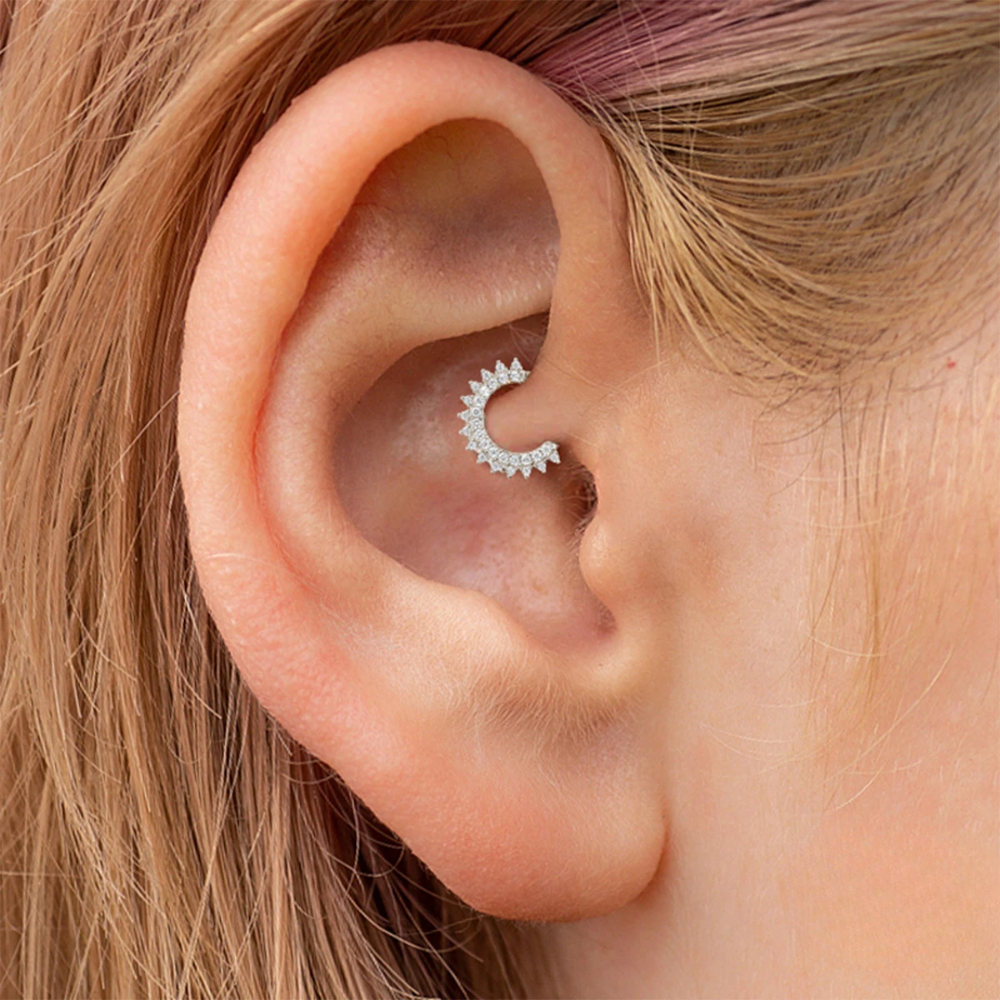
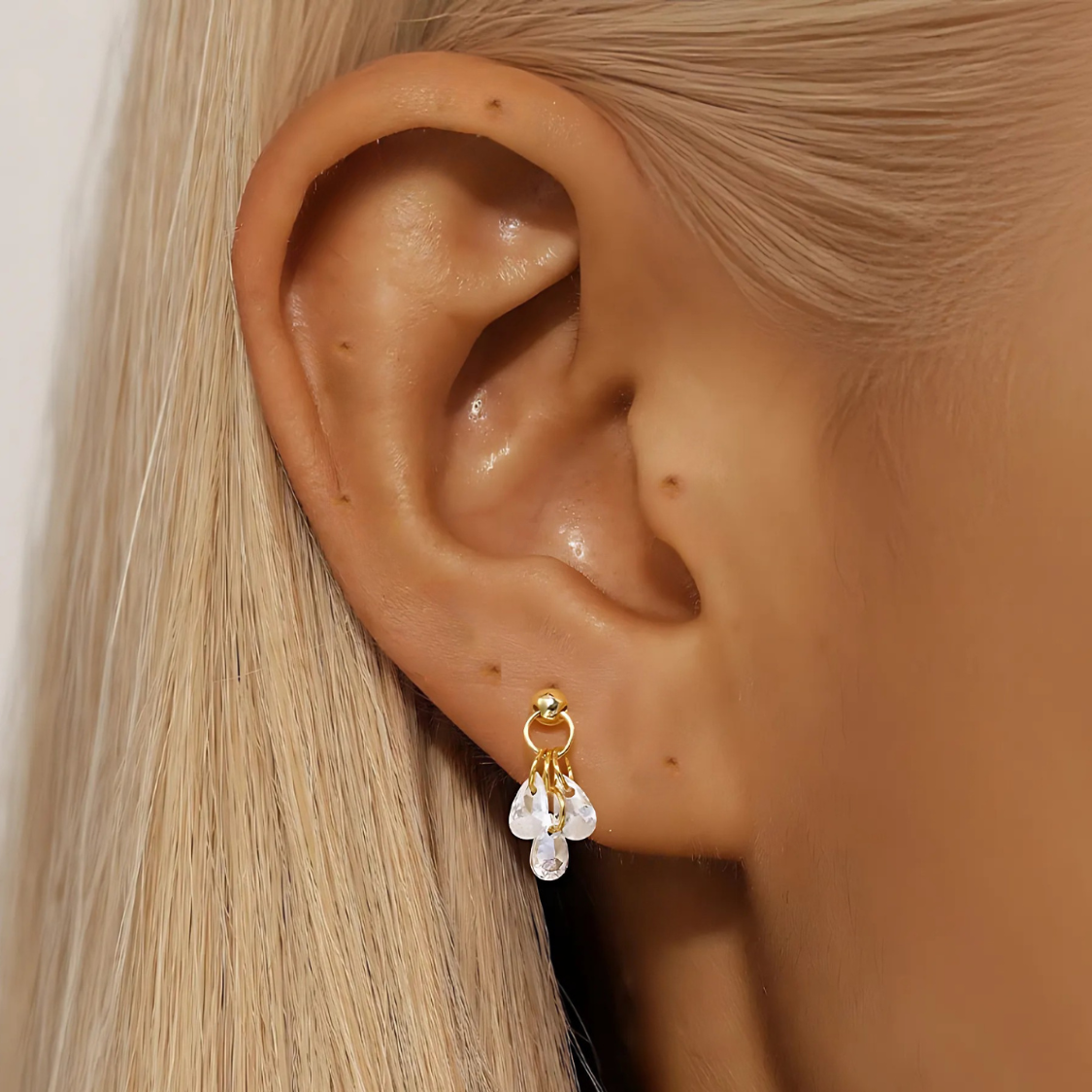
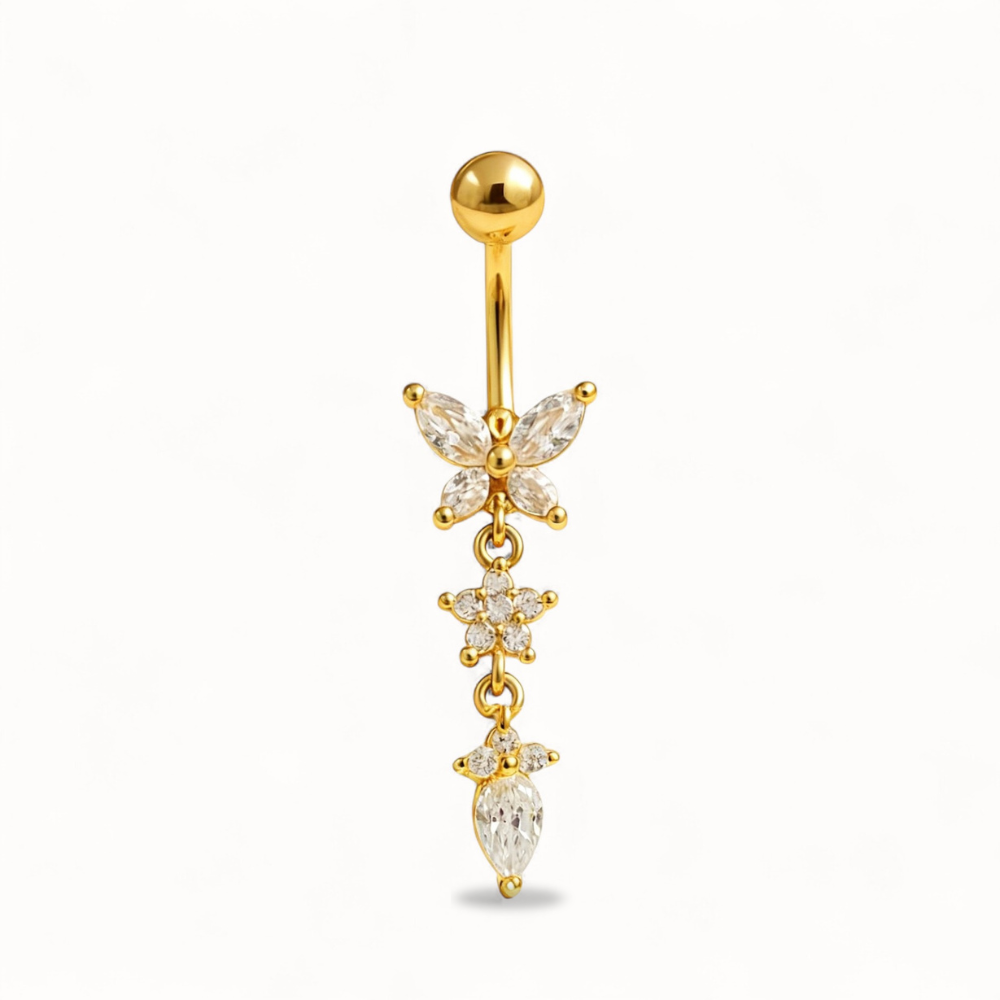
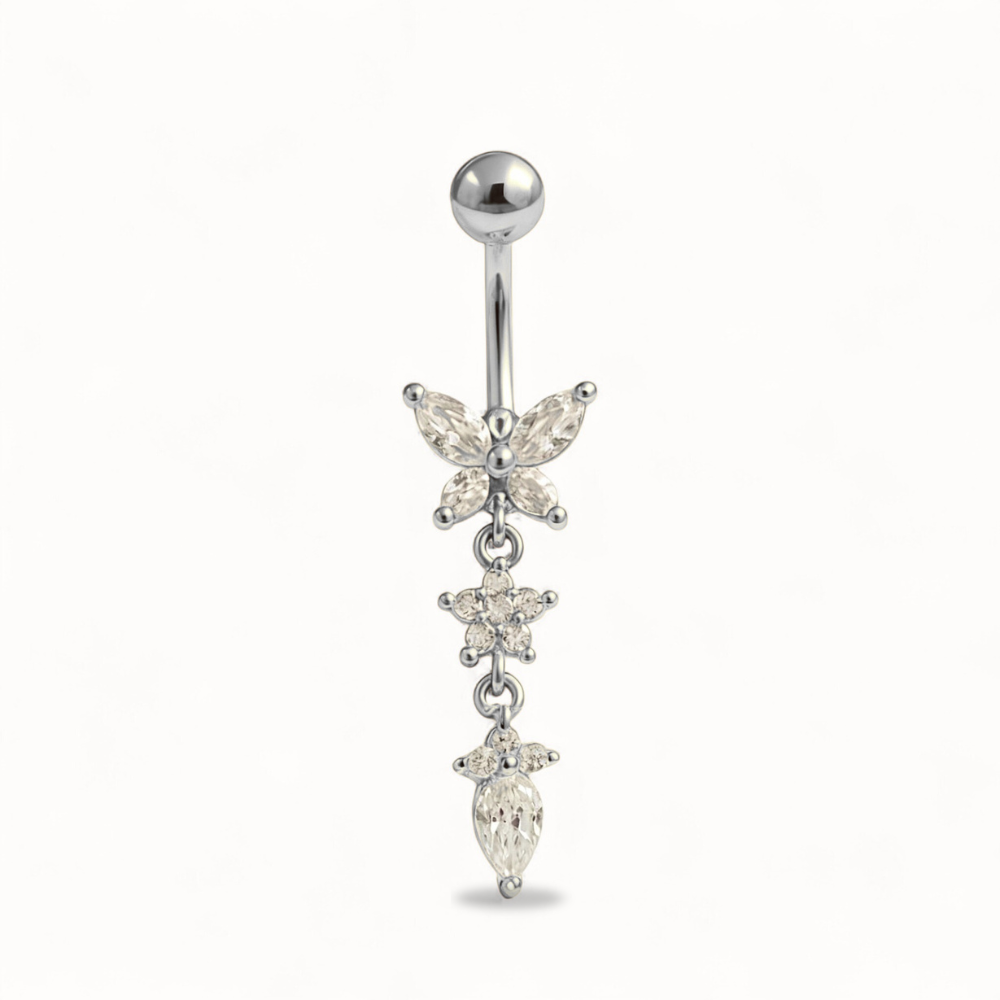
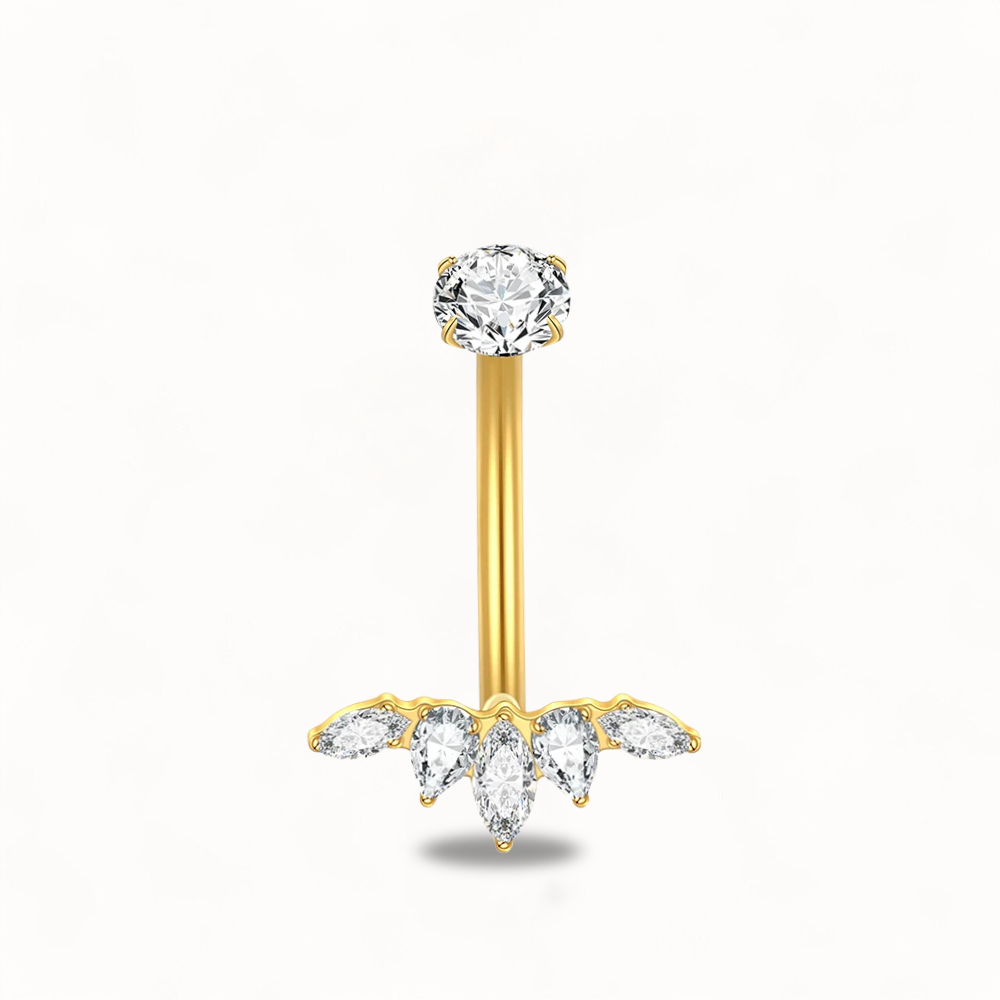
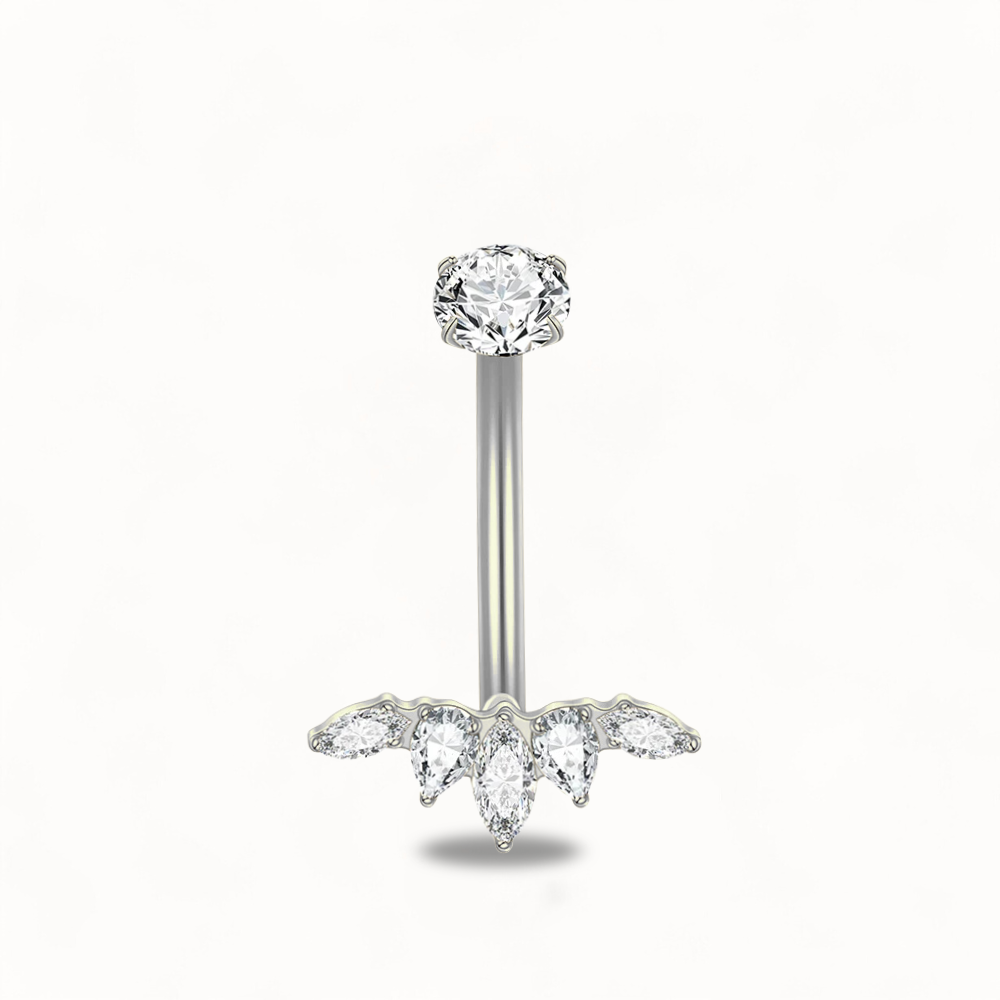
5. Which piece of jewelry should I choose for my helix?
Conclusion
A helix piercing is an excellent choice for starting a cartilage piercing collection. While it requires meticulous care for several months, the aesthetic result is well worth the effort. Respect the care schedule, listen to your body, and your helix will be perfect!