

Rook, Daith or Snug piercing: which one to choose depending on your ear?
Do you want to decorate the inside of your ear but are hesitating between the Rook , the Daith and the Snug ? These three piercings are the stars of the "curated ear", but they are not for everyone.
Between anatomical constraints, healing time and aesthetic style, here is our comparative guide to help you make the best decision.
1. Daith Piercing: The alliance of aesthetics and well-being
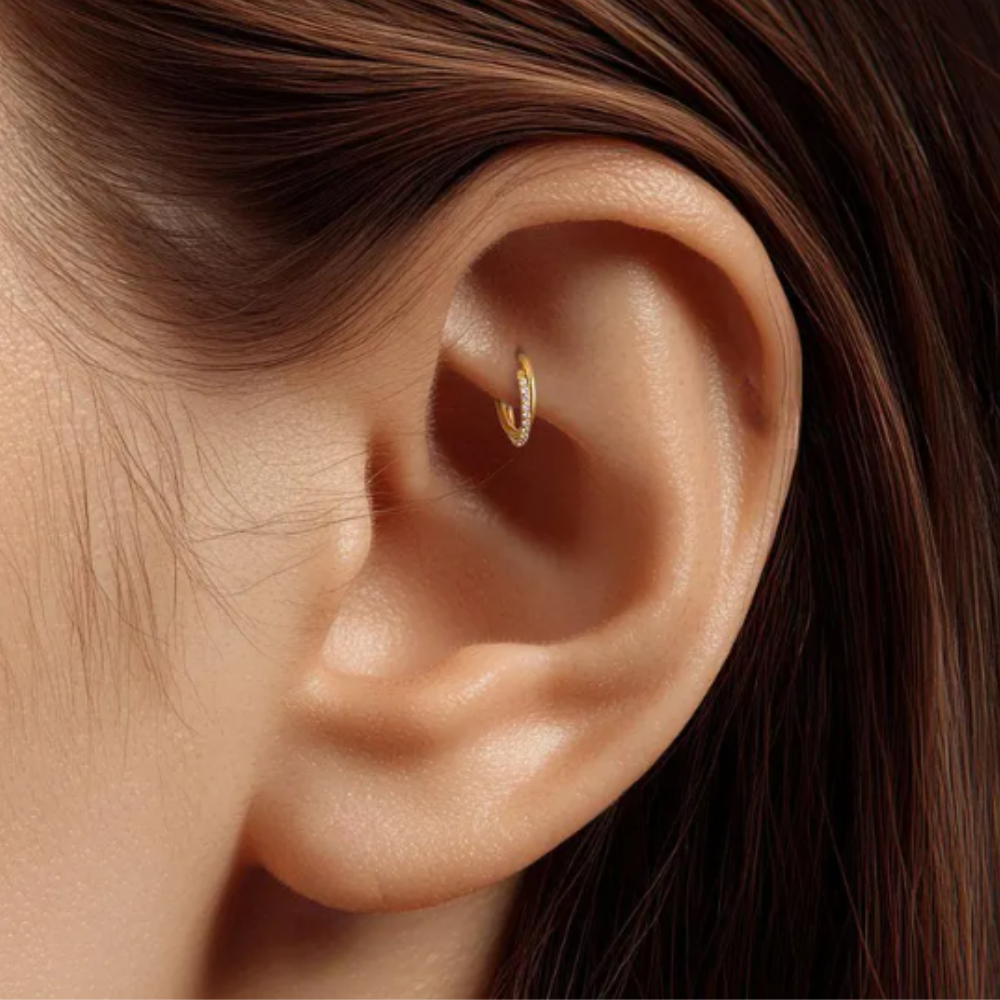
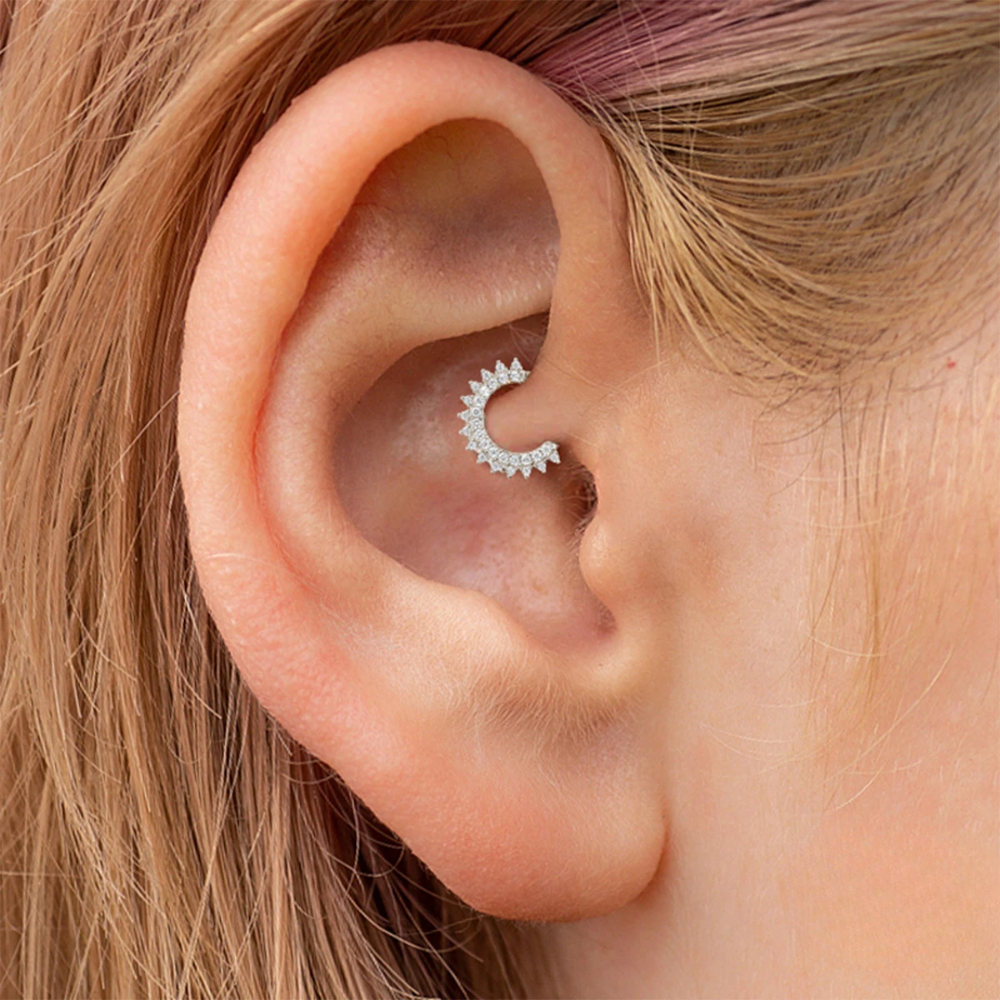
Located on the fold of cartilage just above the ear canal, the Daith is one of the most central piercings.
-
The style: Rings are worn almost exclusively (often very elaborate or heart-shaped).
-
Anatomy: It requires a sufficiently pronounced fold of cartilage ("ridge") to be pierced safely.
-
The added bonus: It is famous for its supposed link with migraine relief (although this is a matter of acupressure and not an exact science).
-
Pain: 6/10. The sensation of pressure is strong because the cartilage is thick in this area.
2. The Rook Piercing: Vertical elegance
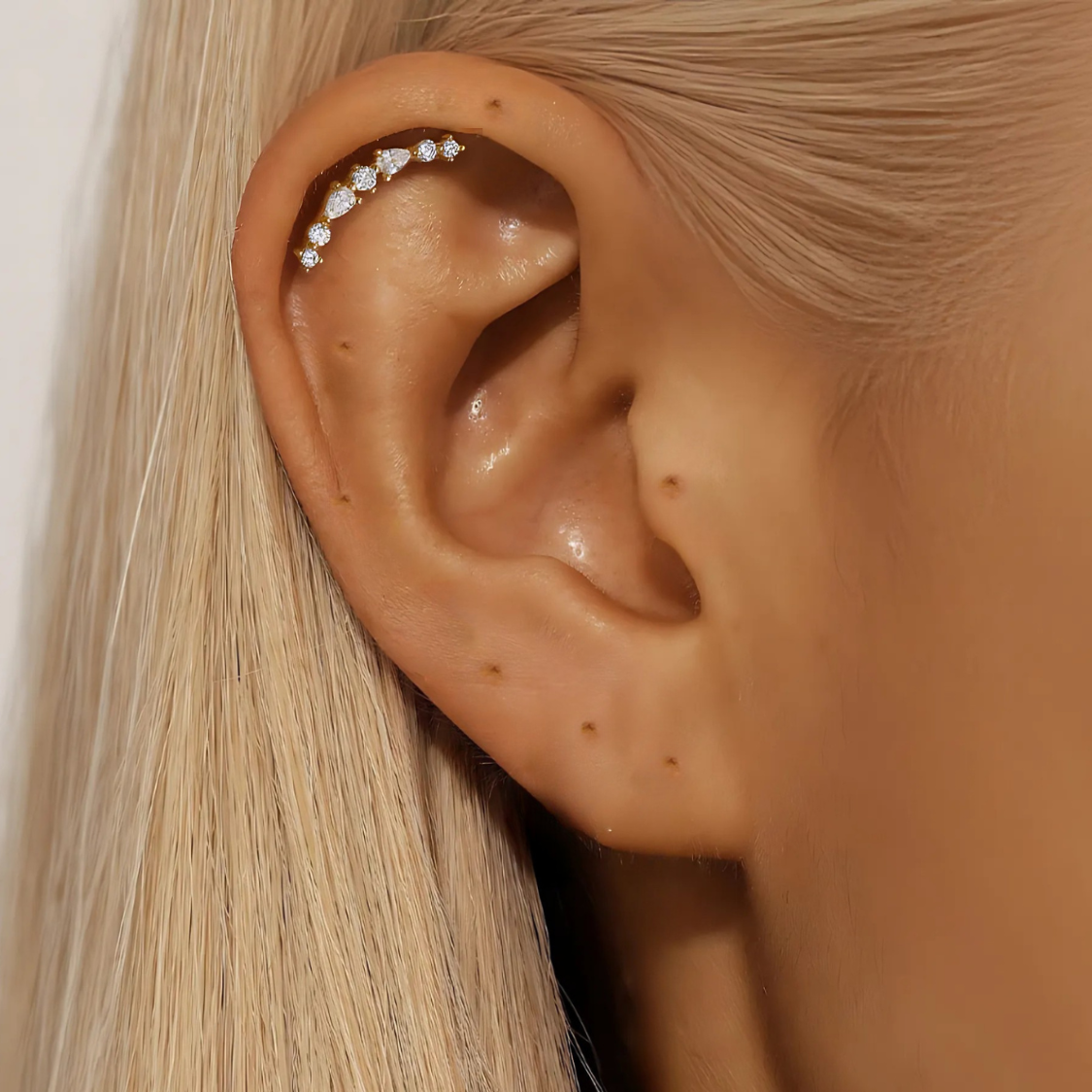
The Rook is located on the superior cartilage fold, just above the Daith.
-
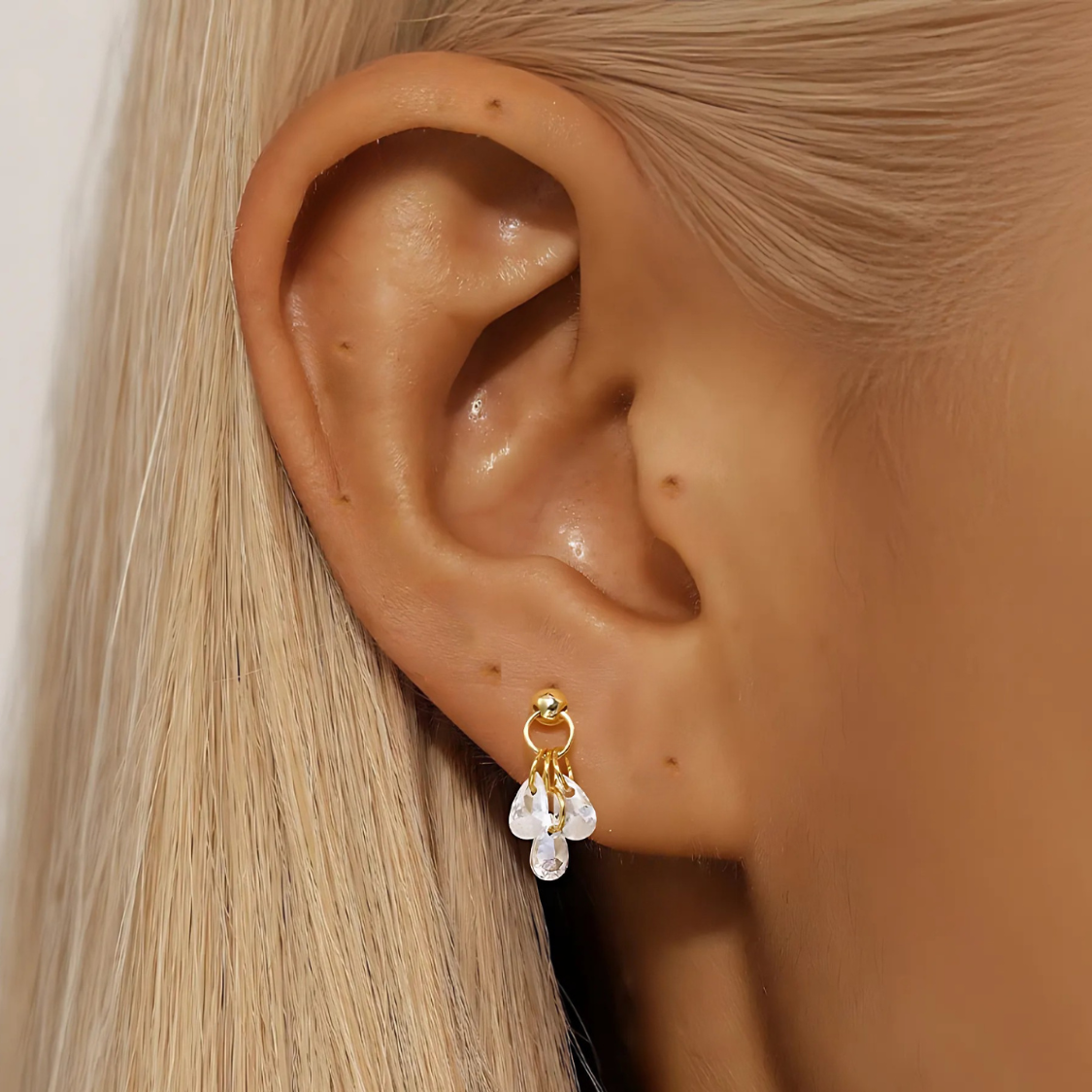
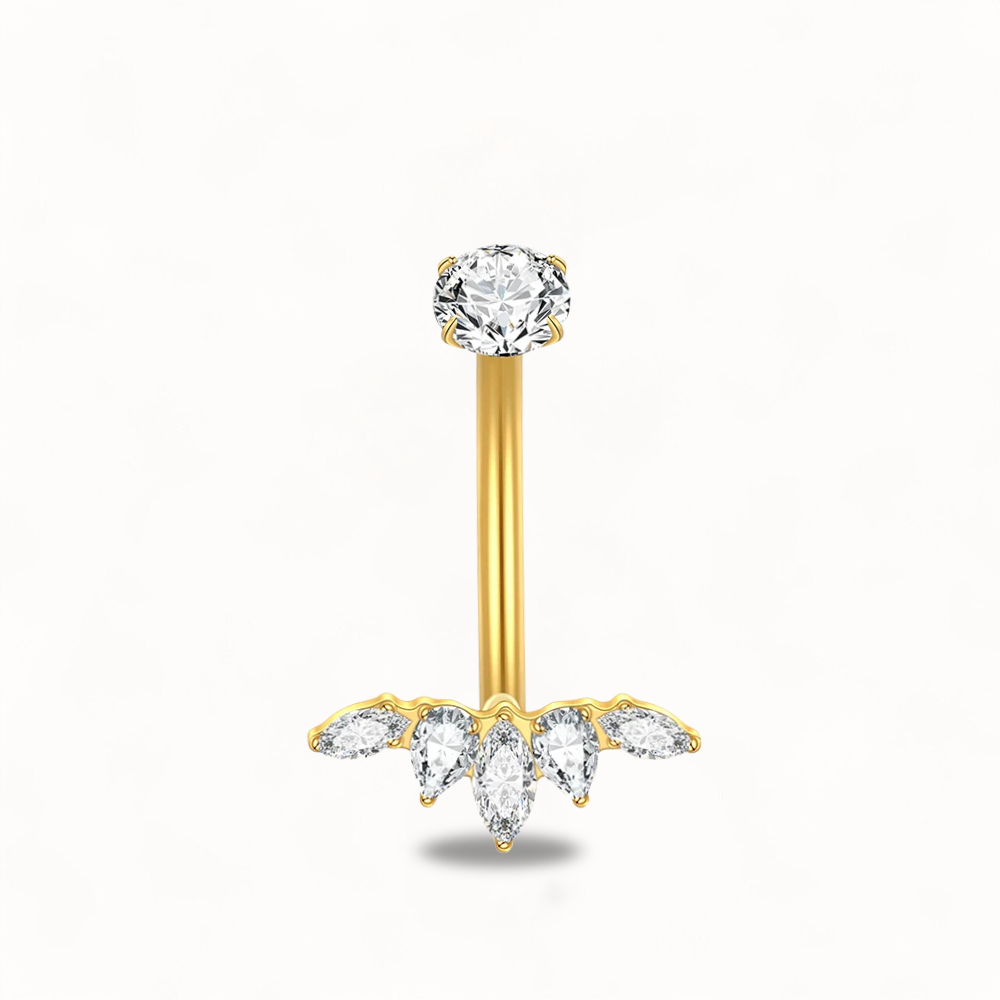
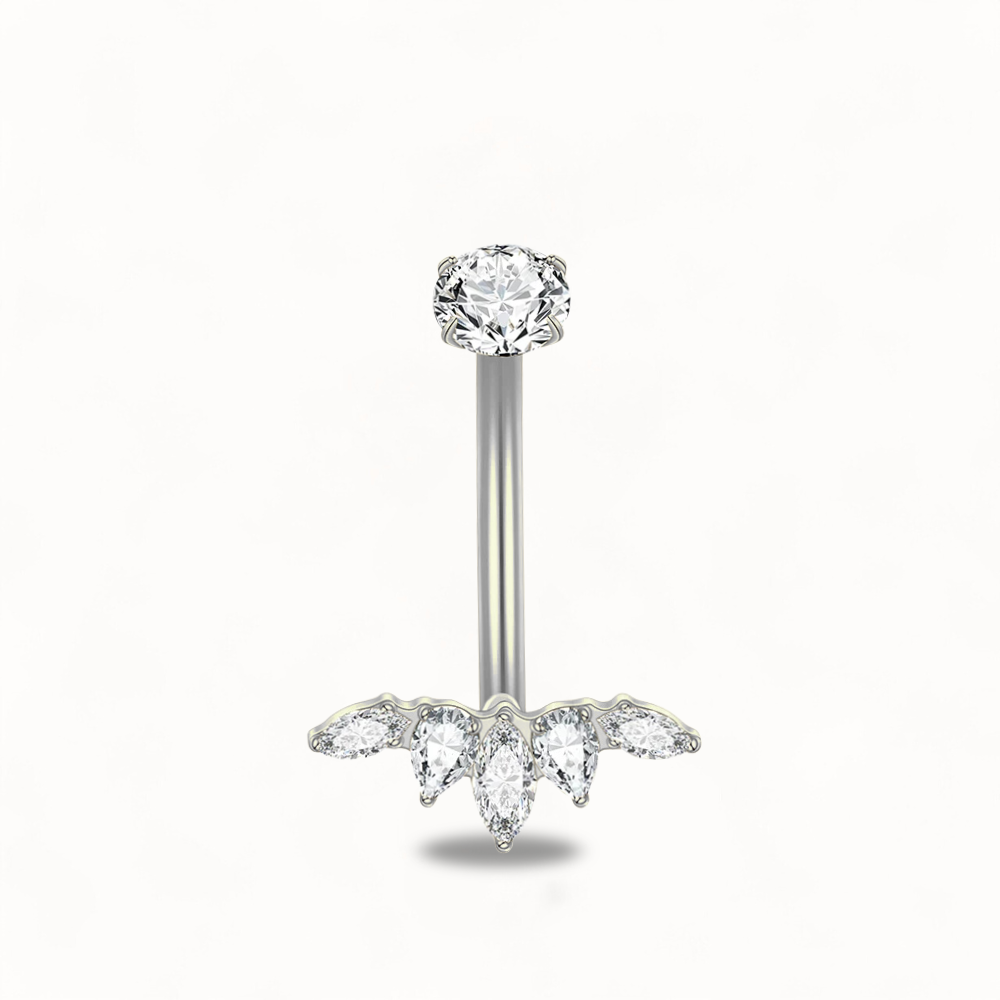
The style: A "curved barbell" (a small curved bar with two balls) is generally used. It's a very vertical piercing that structures the ear.
-
Anatomy: This is the most versatile, but the fold of skin must be wide enough so that the jewelry is not too "on the edge".
-
Pain: 6/10. Similar to Daith, it is a dense cartilage that may feel a little warm after the needle is passed.
3. The Snug Piercing: The challenge for enthusiasts
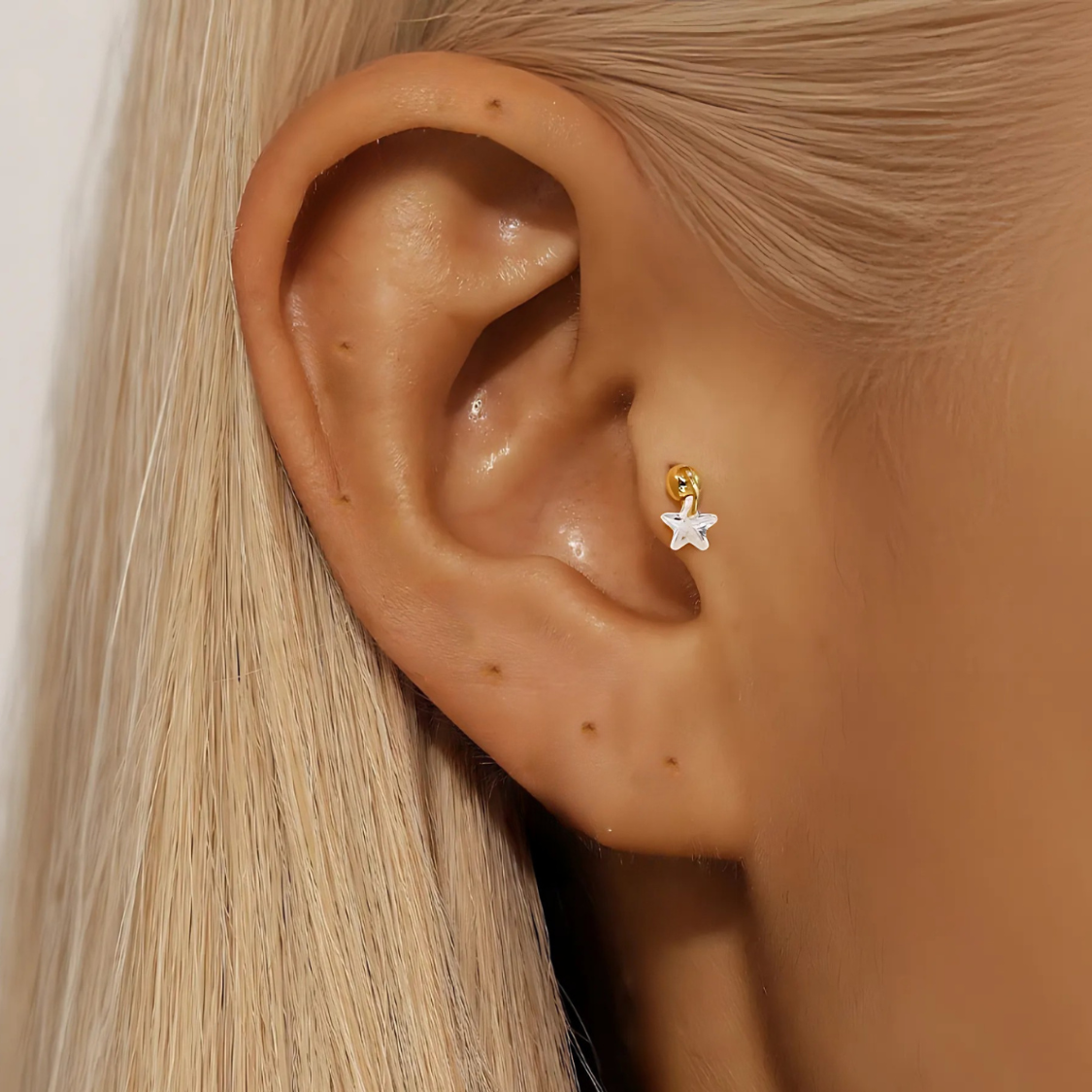
The Snug piercing goes through the cartilage between the helix and the ear canal. It is arguably the rarest and most demanding piercing.
-
The style: A unique and very symmetrical look.
-
Anatomy: This is the critical point. Very few ears have the necessary shape (a flat, prominent fold) to accommodate a Snug. If it is forced onto an unsuitable ear, it risks rejection.
-
Pain: 7/10. This is often considered one of the most painful ear piercings due to the thickness of the tissue that goes through it.
Comparison chart: Which piercing is right for you?
3 questions to ask yourself before choosing
Do you have an ear "made for it"?
Before making a decision, consult a piercer. For the Snug piercing in particular, a professional will often refuse to perform it if your anatomy doesn't allow for healthy healing. In this case, they might suggest a "Fake Snug" (a combination of a conch and helix piercing).
Can you do without headphones?
Like the Daith , the Rook and the Snug can make wearing in-ear headphones uncomfortable at first. The Daith is the most problematic in this regard during the first few months.
Are you patient when it comes to healing?
These three piercings are located in areas where the cartilage is under a lot of stress. The snug piercing is known to be "fussy" and can remain swollen for several months. If you want faster healing, opt for the rook piercing.
Conclusion
The Daith is ideal for a sophisticated, centered look, the Rook for a touch of elegant verticality, and the Snug for those seeking a rare and original piercing. Whatever your choice, the key to success lies in selecting high-quality titanium and a piercer with expertise in anatomy.