


When is it safe to change your piercing jewelry?
You just got your piercing done and, let's face it, the initial jewelry isn't exactly what you dreamed of. You can't wait to put in that shiny ring or delicate rhinestone you already bought.
But be warned: changing your jewelry too soon is the number one cause of complications (infections, growths, blocked piercing channel). So, how long should you really wait? Here's the complete guide depending on the area of your body.
1. The golden rule: Healing vs. "Surface healing"
It is crucial to understand that your piercing heals from the outside in.
-
The initial phase: After a few weeks, the piercing no longer hurts and seems clean. This is a trap! The internal channel is still fragile and prone to lymphatic drainage.
-
Complete healing: This is the point at which the skin tunnel (the fistula) is strong enough to withstand a jewelry change without tearing.
2. Average delivery times by area
These timeframes are minimum estimates for a safe jewelry change.
The face and ears
The body and the mouth
-
Language: The change to a shorter bar (the "downsize") can be done at your piercer's as early as 2 weeks , but do not use your own jewelry until after 2 months.
-
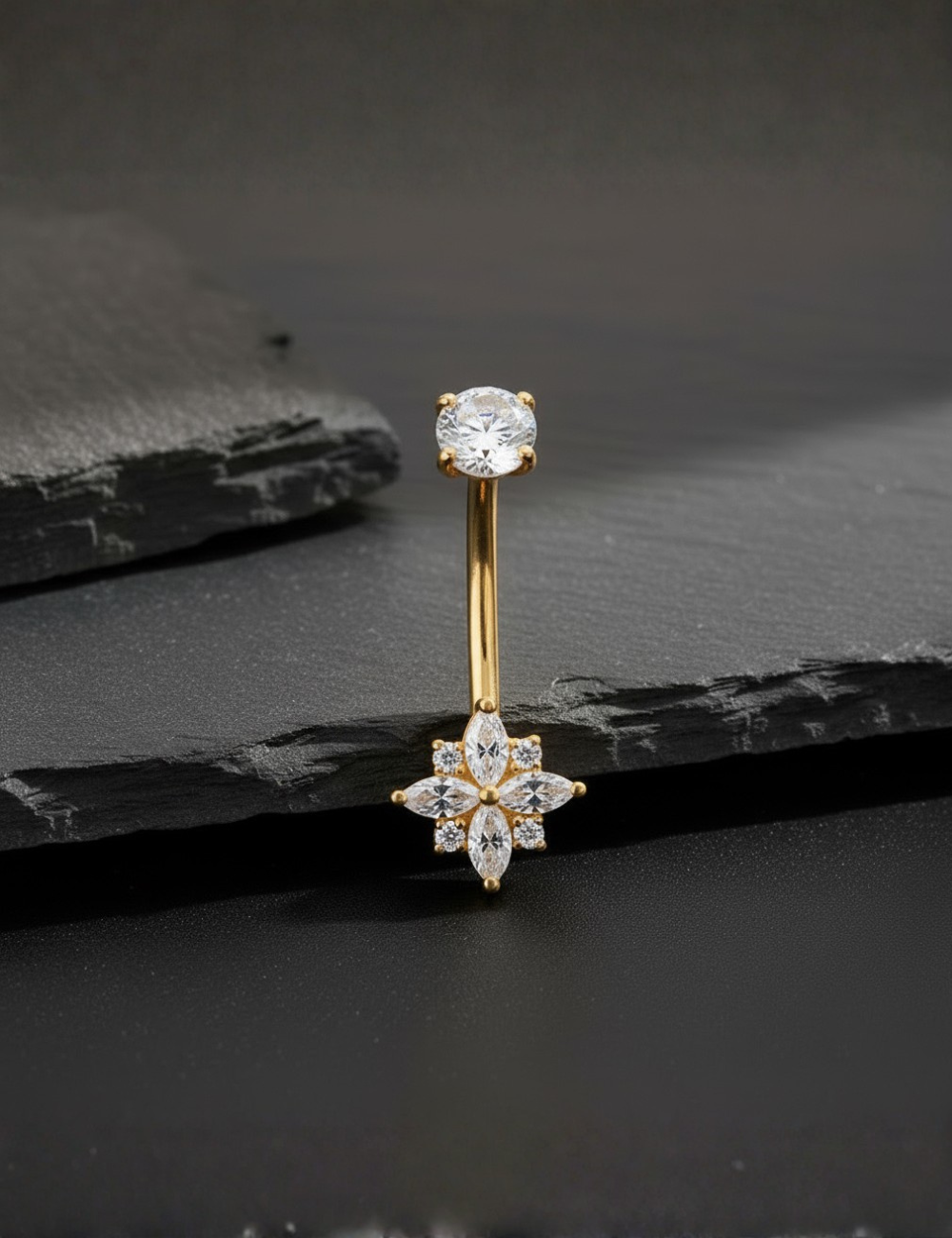
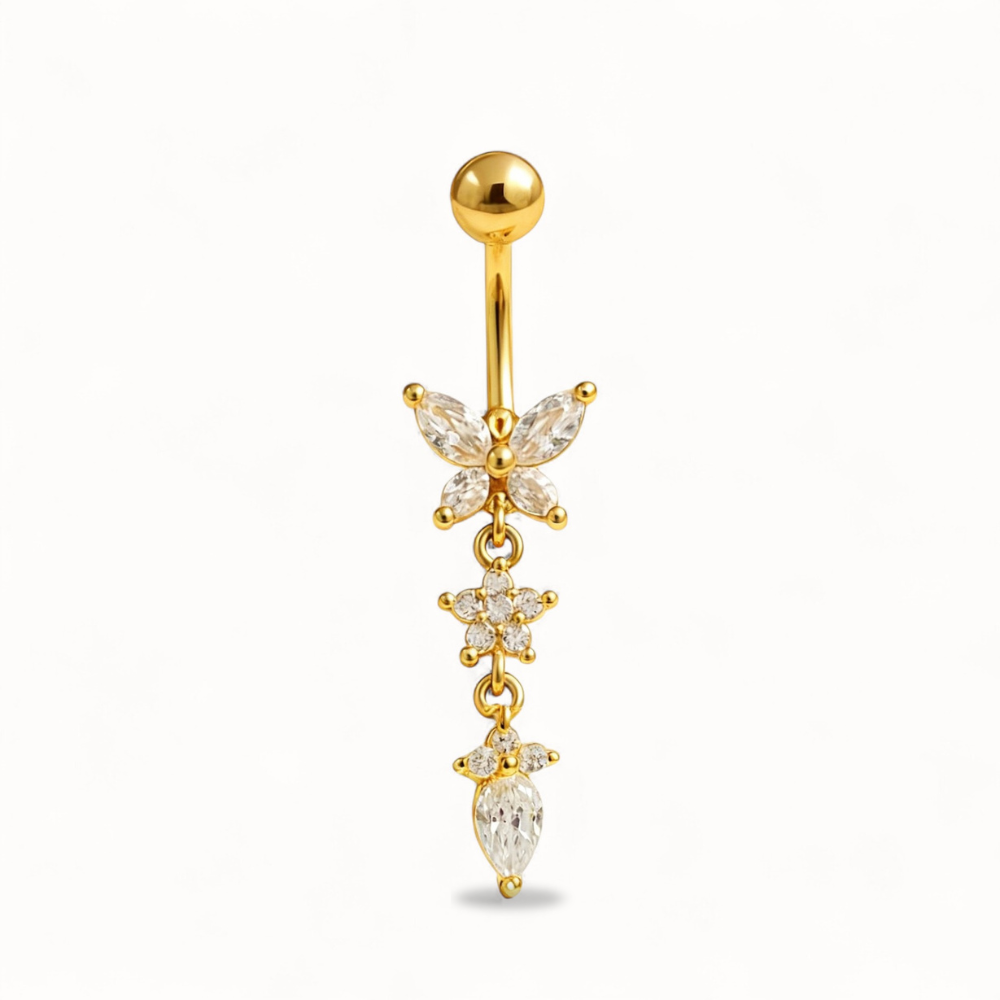
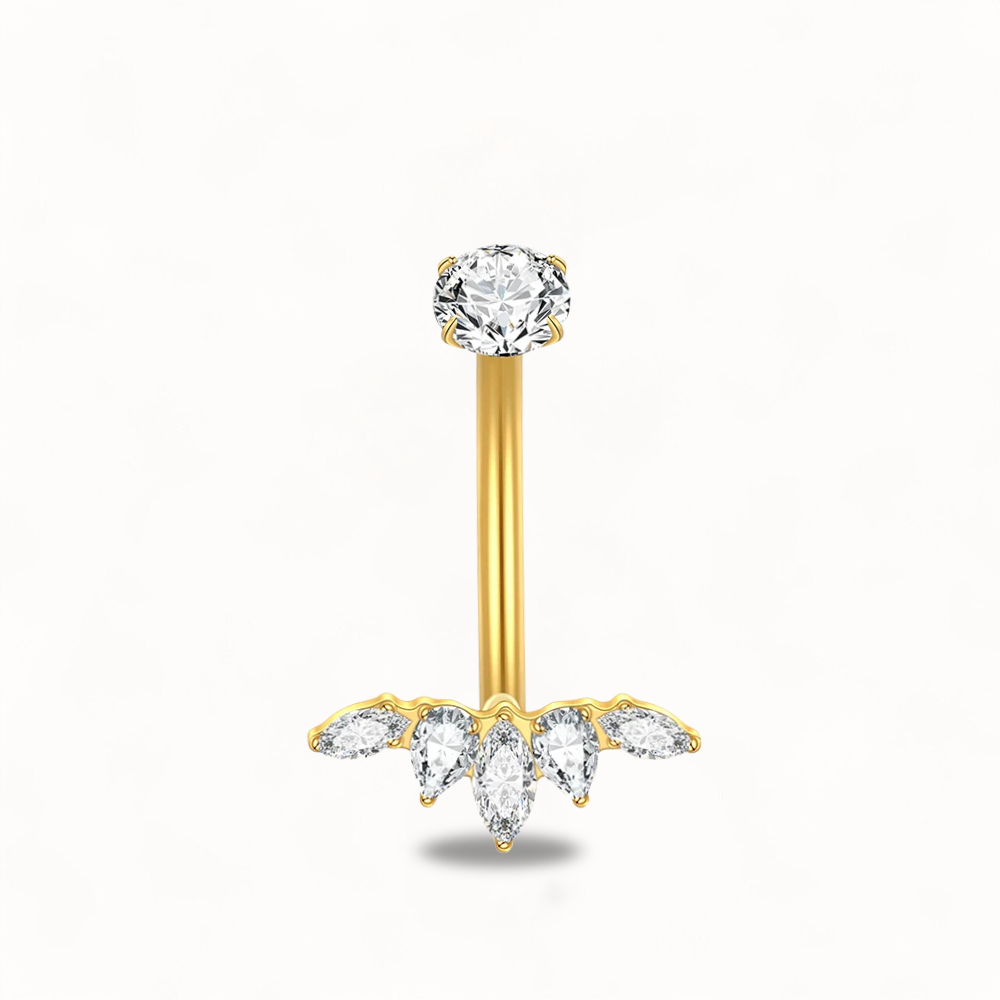
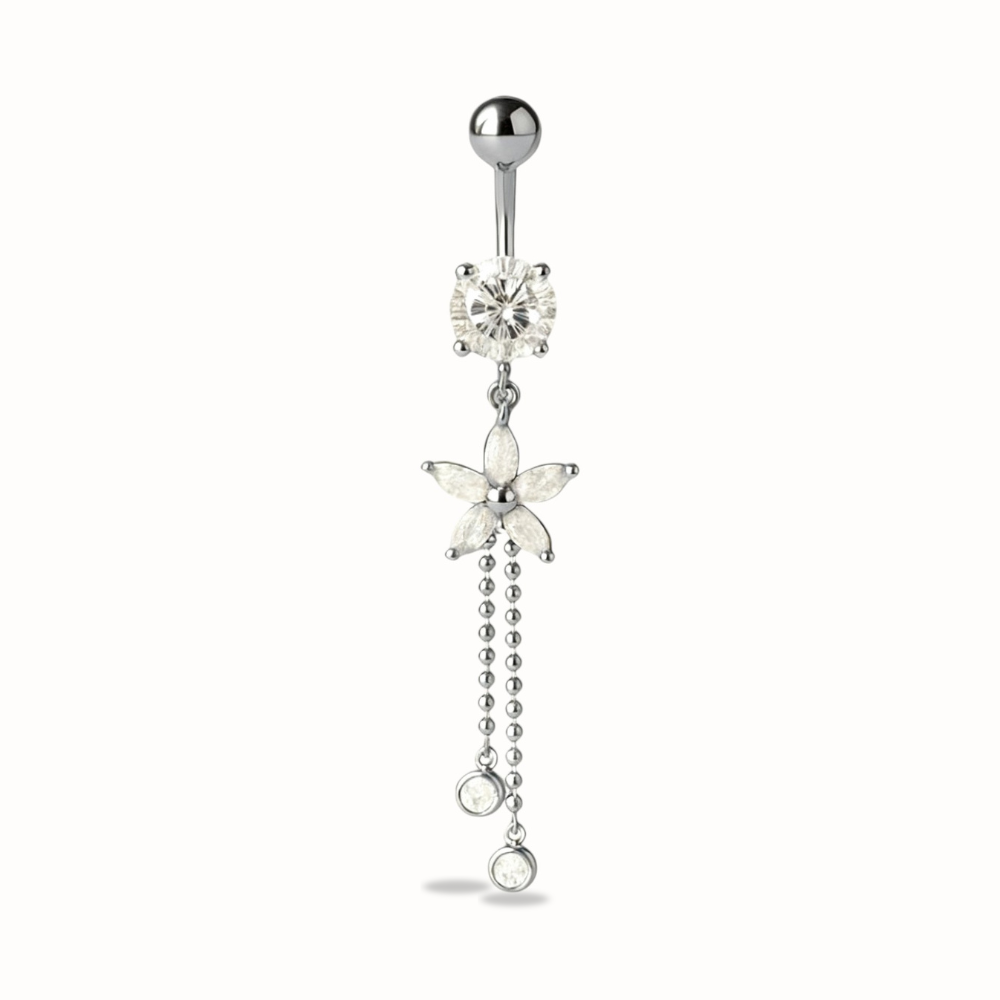
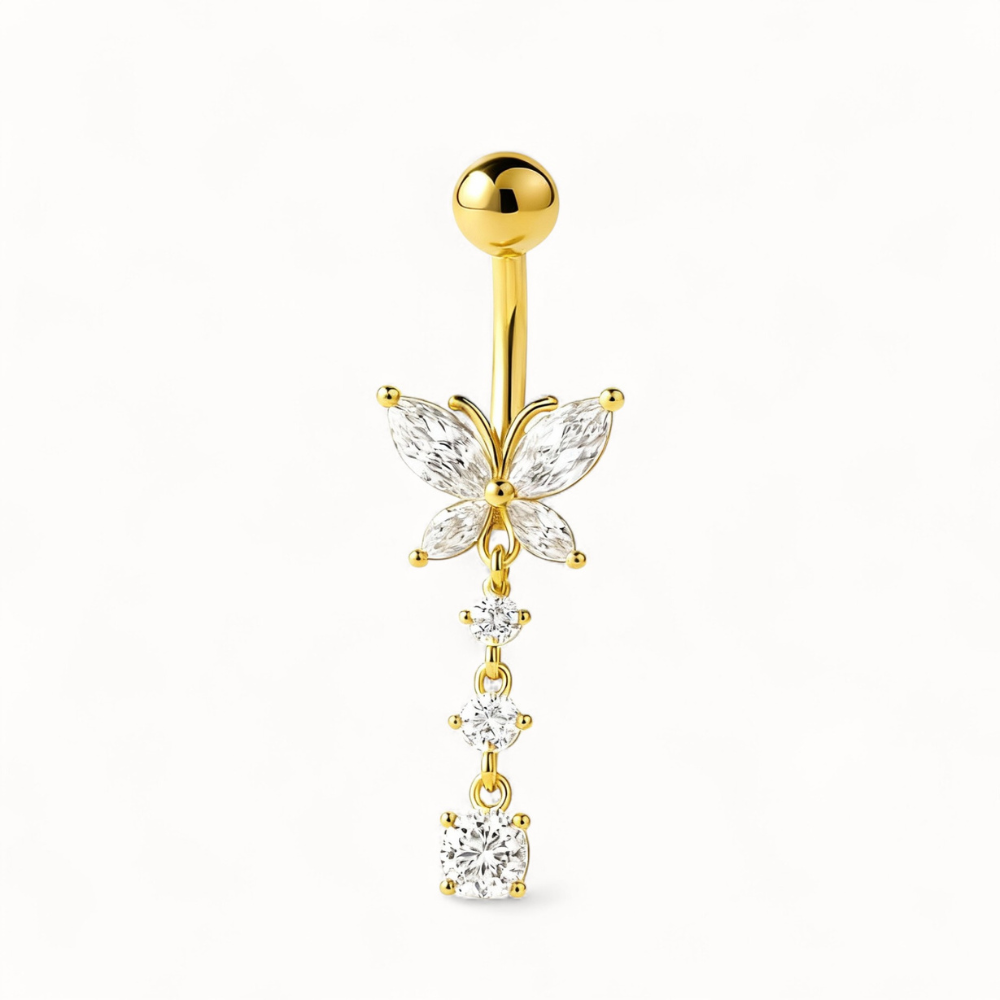
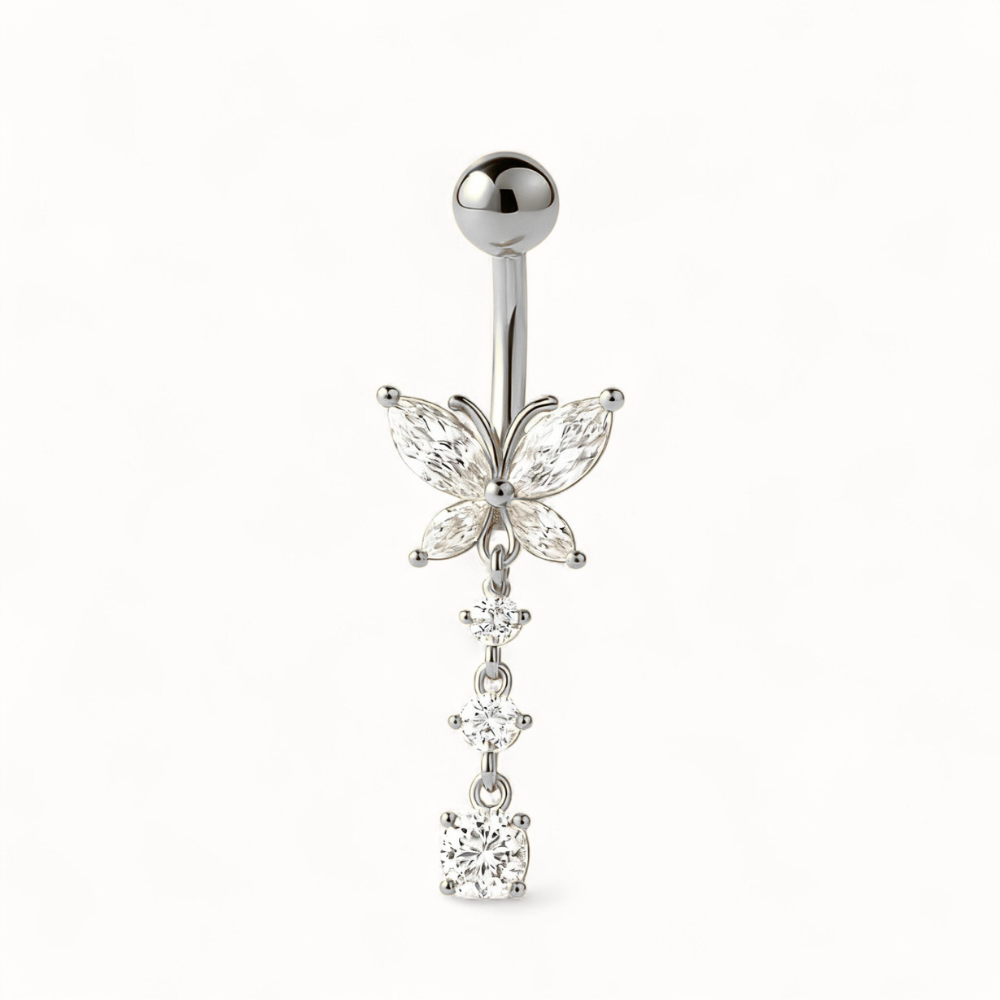
Navel: This is one of the longest! Wait at least 6 months before changing the jewelry.
-
Nipple: Allow a minimum of 6 to 9 months .
3. The 4 signs that you are ready
Before removing your initial jewelry, check that your piercing meets all these criteria:
-
No pain: You can rotate (gently) or move the jewelry without feeling any shooting.
-
No fluid: There has been no lymph drainage or scabs for several weeks.
-
Skin appearance: The edges of the hole are smooth, slightly inward, and are no longer red or swollen.
-
Flexibility: The area is soft to the touch.
4. The crucial step: The "Downsize"
Many people confuse "changing jewelry for fun" with "reducing the bar length." Within 4 to 8 weeks of getting your piercing done, your piercer will ask you to come back to have a shorter bar fitted. This is essential! A bar that's too long and protrudes can snag and cause irritation or uneven healing.
Expert tip: For your first "real" change after the initial piercing, go back to your piercer. They will check the condition of the piercing channel and can insert the new jewelry with sterile tools without traumatizing the area.
5. What happens if you change too soon
If you force a new piece of jewelry into an unstable channel, here are the risks:
-
Instant closure: In a few seconds, the hole can retract, making it impossible to reinsert the jewelry.
-
Micro-tears: They open the door to bacteria and infections.
-
Keloids: Stress caused by early change promotes the appearance of small, unsightly lumps of flesh.
Conclusion
Patience is a piercing's best friend. It's better to wait two extra months than to ruin a year of healing for one night. Once you've successfully changed your piercing, you can experiment as you please!