

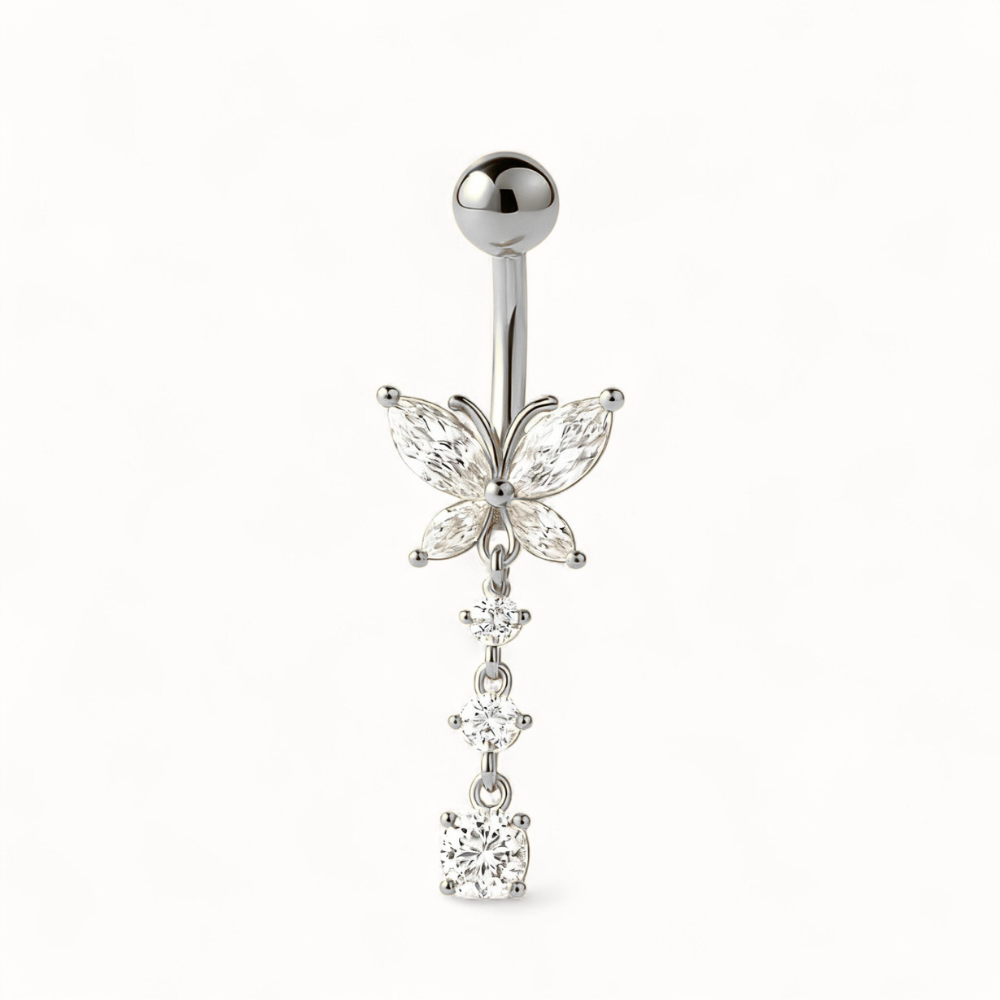
Titanium, steel or gold: which to choose for a first piercing?
It's the big day: you've chosen the location, checked the pain level, but one crucial question remains when confirming your appointment: what material should you choose for your first piece of jewelry?
Choosing the metal isn't just a matter of aesthetics or budget. For a first piercing (the initial jewelry), biocompatibility is the top priority. Here's a complete comparison to help you make the right choice and avoid complications.
1. Titanium Grade Implant (The pros' favorite)
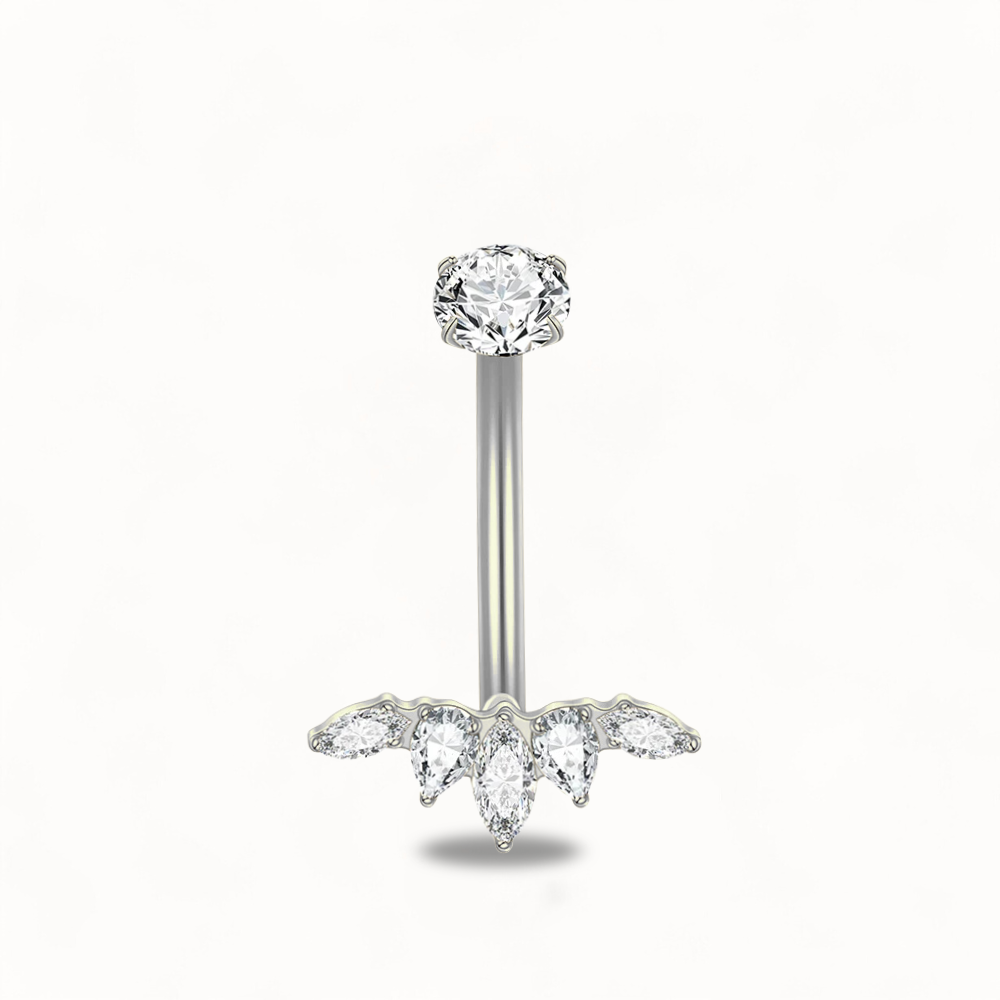
If you ask a trusted piercer, they will almost always direct you to ASTM-F136 titanium . It's the industry's "gold standard".
-
Advantages: It contains no nickel (the main cause of allergies). It is 50% lighter than steel and extremely resistant to corrosion from bodily fluids.
-
Why choose it: It is the safest material for fast and easy healing.
-
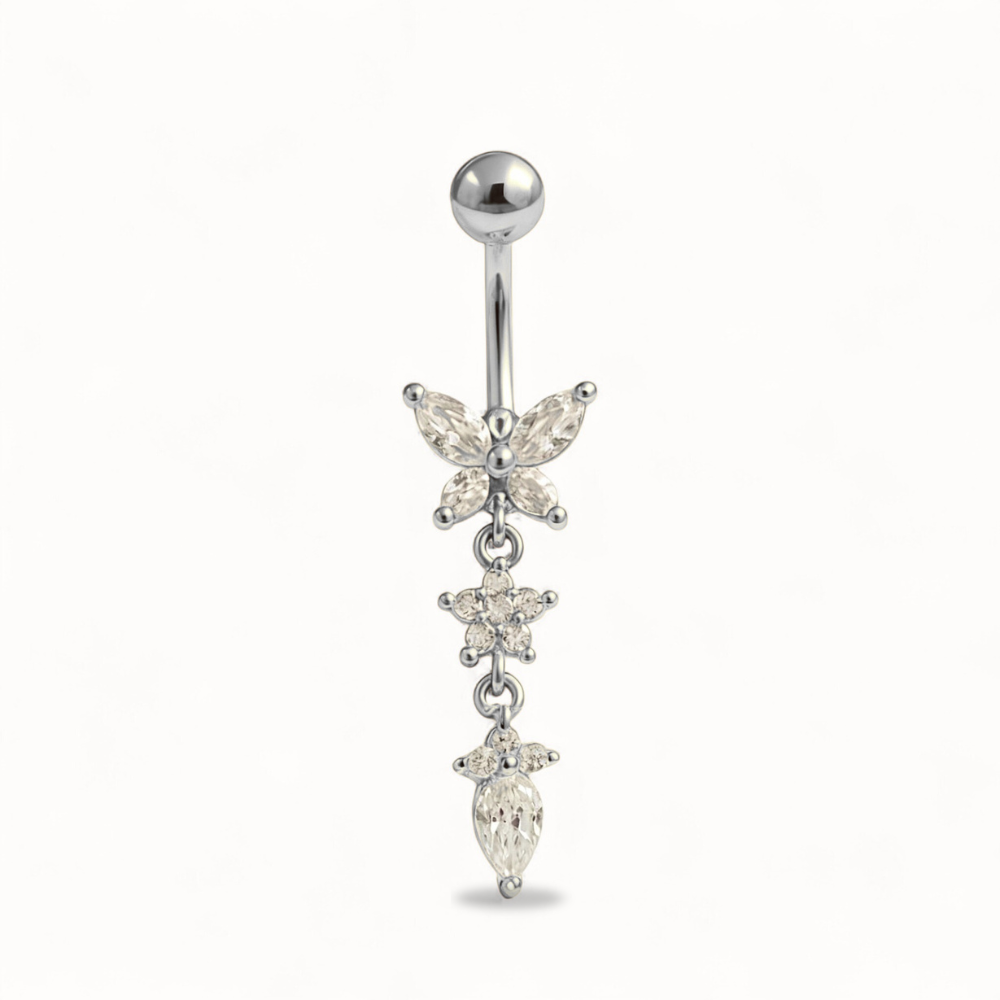
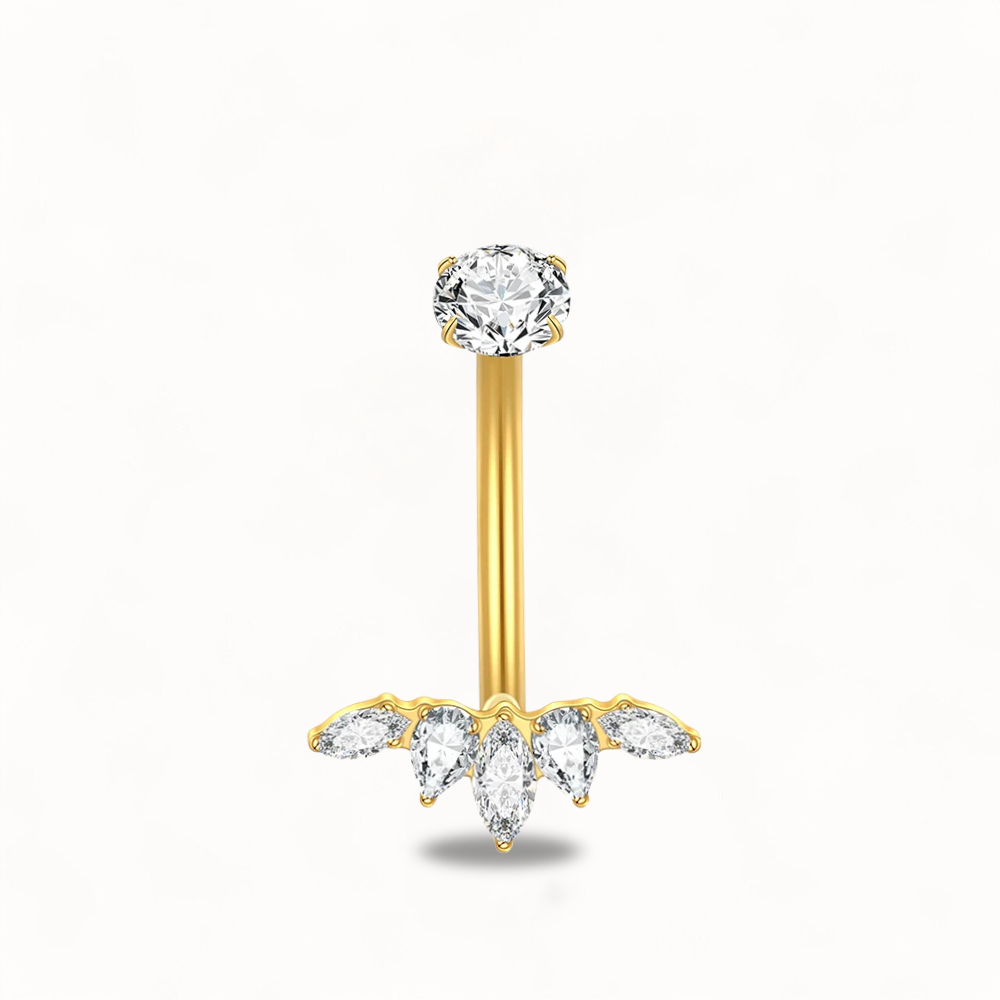
The added bonus: Titanium can be anodized . This means its color can be changed (gold, pink, blue, purple) via an electrical process, without adding toxic paint.
2. Surgical Steel (Beware of misunderstanding)
It is the most common metal, but it sometimes hides traps.
-
Advantages: Very affordable and shiny, it looks like silver but does not oxidize.
-
The risks: The term "surgical steel" (often 316L) almost always contains small amounts of nickel . For healthy skin, this is not a problem, but for an open and healing piercing channel, it can trigger chronic irritation.
-
Verdict: Ideal for a piercing that has already healed, but avoid as your first piece of jewelry if you have sensitive skin.
3. Gold (Luxury, with conditions)
Gold is beautiful, but beware: not all gold jewelry is created equal.
-
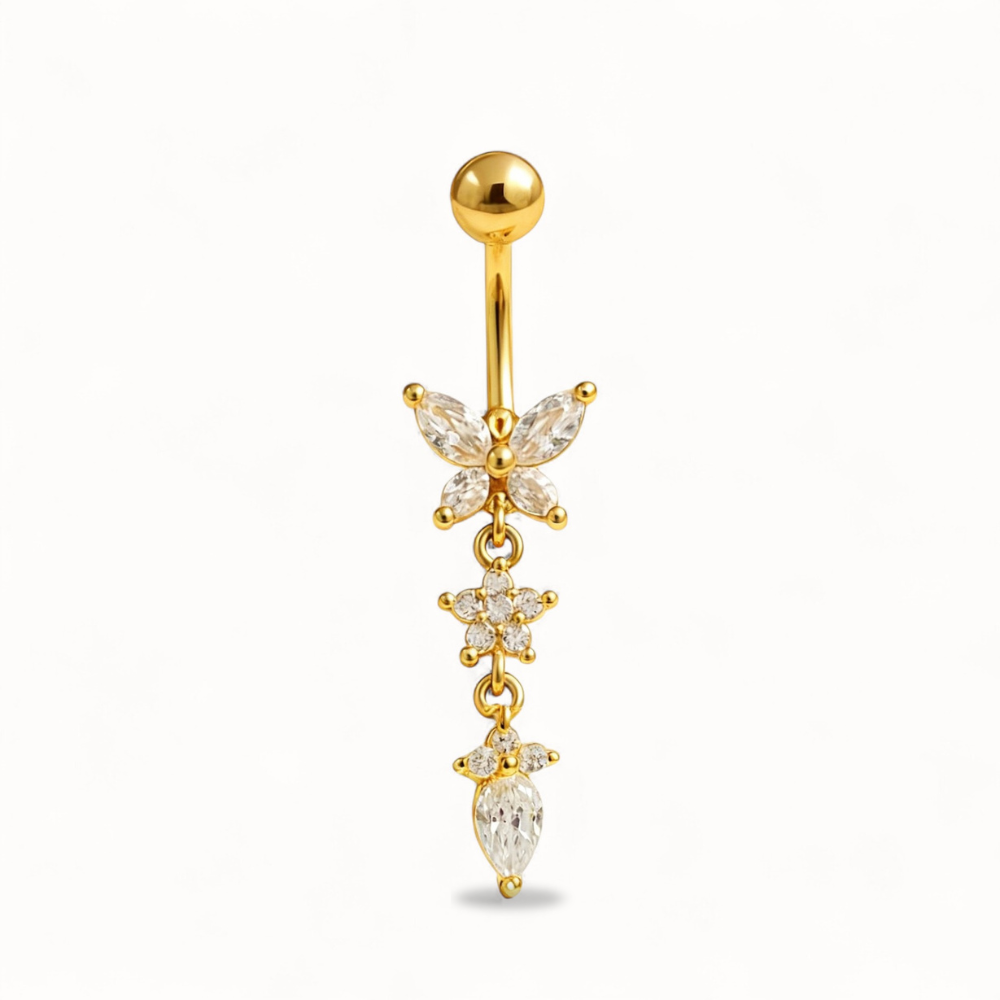
The requirements: For a first piercing, the gold must be 14 or 18 karat . 9k gold contains too many irritating alloys, and 24k gold is too soft for initial piercing jewelry (it scratches easily, creating breeding grounds for bacteria).
-
Beware of "Gold Plated" products: Absolutely avoid them for initial application. The thin layer of gold eventually flakes off, exposing your bare skin to copper or brass.
-
Verdict: An excellent aesthetic and biocompatible choice, provided you are willing to pay the price and choose certified solid gold.
Comparison chart for your first piercing
The unrecognized danger: Why avoid money?
Many people think they're doing the right thing by buying a 925 sterling silver earring for their new piercing. This is a common mistake. Silver oxidizes when it comes into contact with moisture and fabric. This oxidation can leave permanent black marks on your skin (a silver tattoo, or local argyria ) and significantly delay healing. Save your silver jewelry for piercings that are already well established!
The final piece of advice
For your first piercing, don't skimp on the material. Titanium remains the undisputed champion in terms of quality, price, and safety. Once your piercing channel is fully healed (allow 6 to 12 months for cartilage), you can collect all styles of jewelry!